
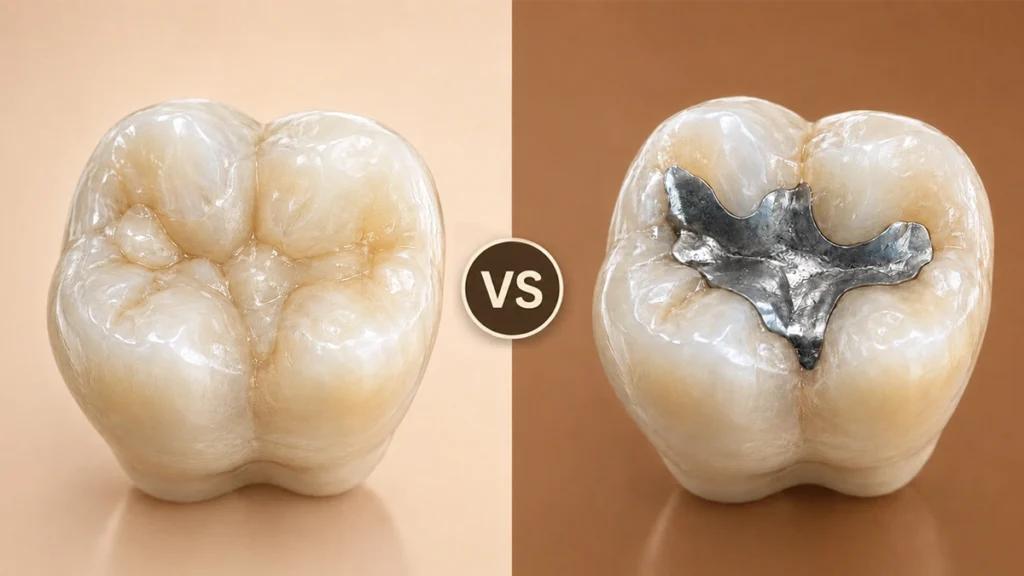
Dentists can often repair a small cavity with a dental filling, but they consider more than the visible size of the damage when choosing the right restoration. They also assess how much healthy tooth remains, whether decay has reached the dental pulp, where the tooth sits, and how much pressure it handles during chewing. Composite and amalgam serve as filling materials, while dentists may recommend a crown, root canal treatment, implant, or denture when a filling can no longer restore the tooth reliably.
Quick Answer: Which Dental Treatment Is Right for You?
The best dental treatment depends on how much of the tooth has been damaged, whether the tooth can still be preserved, your oral health, and your long-term goals. Small cavities are often treated with dental fillings, while larger damage may require crowns, root canal treatment, implants, dentures, or orthodontics. Your dentist chooses the most appropriate option after examining the tooth, bite, gums, and supporting bone.
What Are Dental Fillings?
Dental fillings repair tooth structure lost to decay, wear, or minor damage. The dentist removes the damaged tissue, cleans the cavity, and restores the tooth with a suitable material.
When Dentists Recommend a Filling
A filling is suitable when the damage is limited and enough healthy enamel and dentine remain. The dentist also checks the cavity depth, pulp health, tooth position, and bite pressure.
A filling may be recommended for:
- Small or moderate cavities
- Minor chips or fractures
- Limited areas of tooth wear
- Damaged or leaking fillings
What Dental Fillings Repair
Fillings replace lost tooth structure, prevent food and bacteria from collecting, and restore comfortable function. However, they may not support teeth with thin walls, weak cusps, or extensive damage.
Benefits of Preserving Natural Teeth
Early treatment preserves more healthy tissue, natural sensation, and chewing function. Delaying care may allow a small cavity to require a crown, root canal treatment, or extraction.
Start a Conversation
Contact us through the communication method that suits you





Composite Fillings vs Amalgam Fillings
Composite and amalgam both repair cavities, but they differ in appearance, strength, placement, and tooth preparation. The right option depends on the cavity, tooth position, bite forces, and aesthetic needs.
What Are Composite Fillings?
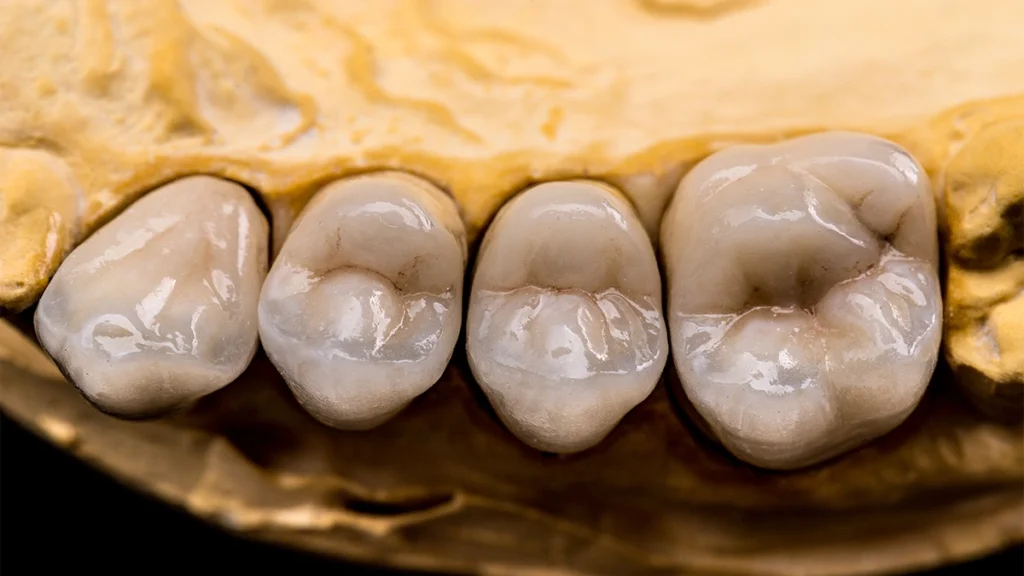
Composite fillings are tooth-colored restorations made from resin and fine glass or ceramic particles. They bond to the tooth and suit many small to moderate cavities in front and back teeth.
Composite is commonly used for:
- Visible cavities
- Small and moderate restorations
- Chipped or worn teeth
- Patients seeking a natural appearance
What Are Amalgam Fillings?
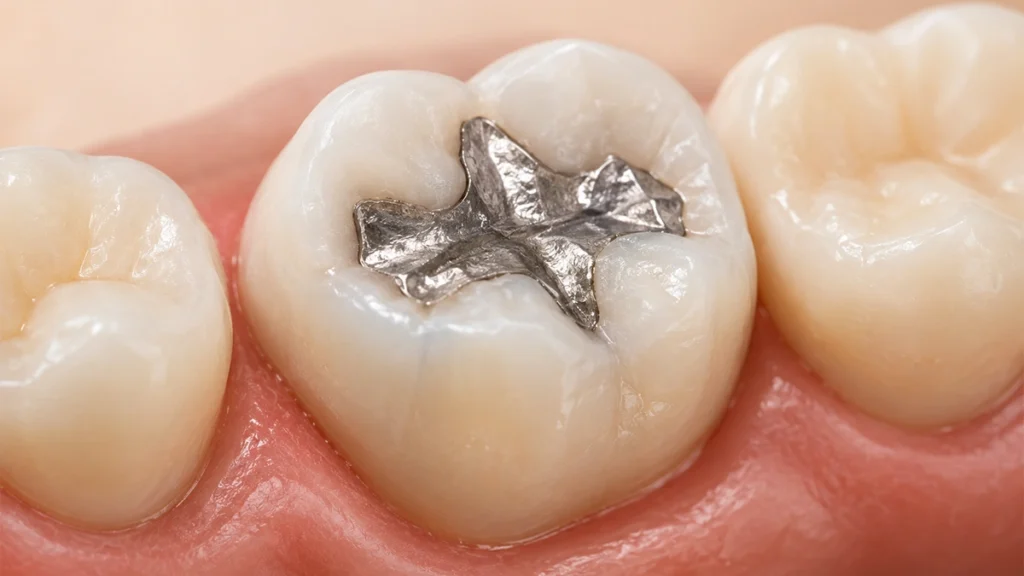
Amalgam fillings are silver-colored restorations made from a mixture of metals. They are strong and tolerate moisture well, although their use has declined in many regions.
Appearance and Durability
Composite blends with natural teeth, while amalgam remains visible. Amalgam handles heavy chewing forces well, but modern composite also performs reliably in suitable cavities.
Which Material Is More Suitable Today?
Composite is commonly preferred because it looks natural, bonds to the tooth, and preserves healthy structure. Amalgam may still suit selected cases with difficult moisture control or heavy bite forces.
Here’s a quick comparison of the main differences between composite and amalgam fillings:
| Feature | Composite Filling | Amalgam Filling |
| Appearance | Tooth-colored | Silver |
| Strength | Very good | Excellent |
| Aesthetics | Excellent | Limited |
| Typical Use | Front and back teeth | Mainly back teeth |
| Tooth Preservation | Conservative | May require more preparation |
When Is a Filling No Longer Enough?
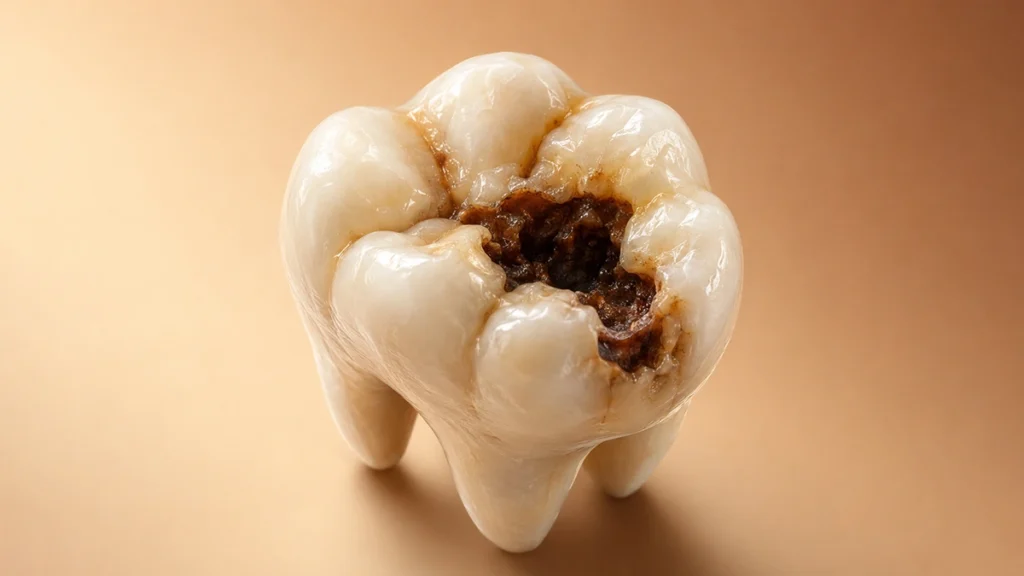
A filling needs enough healthy tooth structure around it for support. When the remaining walls or cusps are too thin, placing a larger filling may increase the risk of fracture instead of protecting the tooth.
Large Cavities
A large cavity can weaken the cusps of a molar and leave only thin walls around the restoration. In these cases, an onlay or crown may provide better protection by covering the weakened areas and distributing pressure more evenly.
Broken Teeth
A dentist can often repair a small chip with composite. However, a larger fracture may leave too little tooth structure to support a stable filling. In these cases, the dentist may recommend a crown, especially when the damage affects the chewing surface.
Cracked Teeth
A cracked tooth may cause pain during biting or sensitivity to temperature. A crown can sometimes hold the tooth together and reduce further movement, but a crack that extends deeply into the root may make the tooth impossible to restore.
Extensive Tooth Wear
Grinding, clenching, acidic foods, reflux, and bite problems can gradually weaken the teeth. Adding a filling without treating the underlying cause may lead to repeated fractures, so treatment may also include crowns, orthodontics, bite adjustment, or a protective night guard.
When a Dental Crown May Be Better
A crown covers most of the visible tooth and provides more support than a conventional filling. It is usually considered when the remaining tooth is too weak to tolerate normal chewing forces.
Protecting Weak Teeth
A crown may be the better choice when decay, wear, or a fracture has removed a large part of the tooth. It surrounds and protects the weakened structure, reducing the risk of further cracking or breakage.
After Root Canal Treatment
Back teeth often need a crown after root canal treatment because the original decay, fracture, or previous restoration may have left them vulnerable to breaking under chewing pressure.
Large Existing Fillings
A very large or damaged filling can weaken the surrounding tooth. Replacing it with another large filling may not provide sufficient strength, so a crown may offer better long-term protection.

Upload your photos and receive a free AI-powered preliminary analysis in minutes. No commitment required.
When a Dental Implant Becomes Necessary
A dental implant replaces a tooth that is already missing or cannot be saved. Dentists usually explore suitable ways to preserve the natural tooth before recommending extraction and implant treatment.
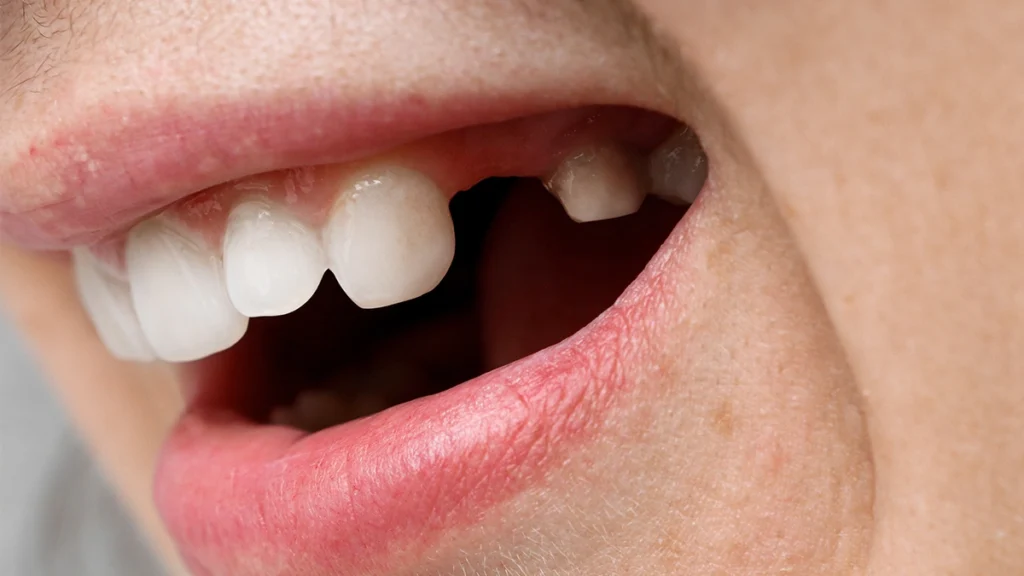
Missing Teeth
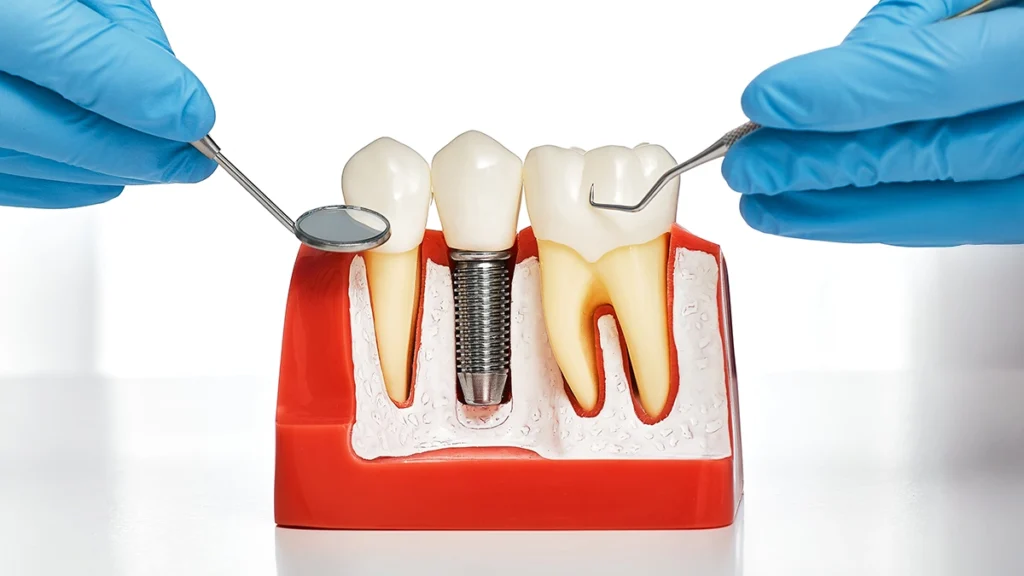
A dental implant can replace a missing tooth without relying on neighbouring teeth for support. The implant is placed in the jawbone and later supports a crown that restores appearance and chewing function.
Teeth That Cannot Be Saved
Extraction may be necessary when severe decay extends below the gum line, a fracture reaches the root, an infection cannot be treated predictably, or advanced bone loss has left the tooth without enough support.
Bone Preservation
After tooth loss, the surrounding jawbone may gradually shrink because it no longer receives pressure from the tooth root. An implant can help maintain bone in the treated area, although sufficient healthy bone must be present before placement.
When Dentures May Be Recommended
Dentures can replace several missing teeth or all the teeth in one jaw. They may be recommended when fixed treatment is unsuitable, unavailable, or not preferred by the patient.
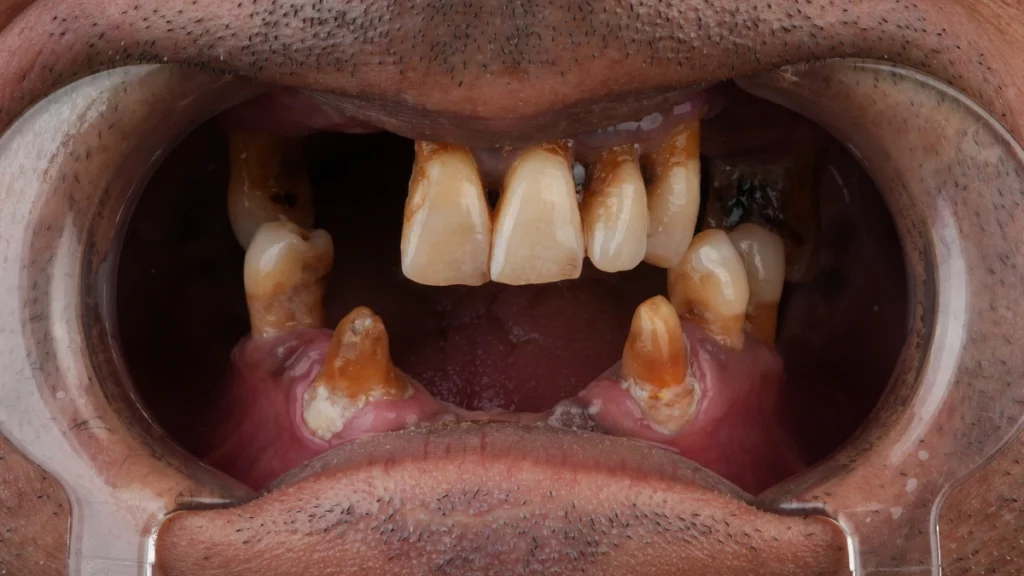
Multiple Missing Teeth
A partial denture can replace several missing teeth while using the remaining teeth and gums for support. It may be suitable when implants or bridges are not appropriate for every gap.
Complete Tooth Loss
A complete denture replaces all the teeth in the upper or lower jaw. It rests on the gums and underlying bone to restore appearance, speech, and basic chewing function.
Implant-Supported Dentures
Dental implants can support a removable or fixed denture and improve its stability during eating and speaking. The denture, implants, gums, and surrounding tissues still require regular cleaning and professional maintenance.
Can Orthodontic Treatment Prevent Future Fillings?
Orthodontics does not repair existing cavities, but improving tooth alignment may reduce some of the factors that contribute to future decay, wear, and restoration damage.
Correcting Bite Problems
An uneven bite may place excessive pressure on certain teeth, fillings, or crowns. Orthodontic treatment can help distribute these forces more evenly.
Making Teeth Easier to Clean
Straightening crowded or overlapping teeth can improve access for brushing and interdental cleaning, helping reduce bacterial buildup in areas that were previously difficult to reach.
Reducing Uneven Tooth Wear
Improved tooth alignment may reduce excessive wear caused by abnormal contact, although patients who grind or clench their teeth may still require a protective night guard.
Read more: Braces vs Veneers in: When Orthodontic Treatment Is the Better Choice
How Dentists Choose the Best Treatment
Dentists do not select a treatment based only on the visible cavity. They evaluate the entire tooth, the surrounding tissues, the bite, and the expected long-term prognosis.
Amount of Tooth Structure Remaining
A small cavity surrounded by strong enamel may only need a filling, while a tooth with thin walls, damaged cusps, or decay beneath the gum may require a crown or another restoration that provides greater support.
Location of the Tooth
Front teeth have greater aesthetic demands, while molars tolerate stronger chewing forces. The location also affects visibility, access, moisture control, and the choice of material.
Bite Forces
Patients who grind or clench place greater pressure on teeth and restorations. They may require stronger materials, bite adjustment, or a night guard to reduce the risk of repeated damage.
Gum Health
Healthy gums help dentists place accurate restorations and make them easier to maintain. Active gum inflammation may affect the fit and long-term success of crowns, fillings, and implants.
Bone Support
Natural teeth require healthy periodontal support, while implants need sufficient bone for stability. Significant bone loss may influence whether a tooth can be saved or whether grafting is required.
Age and Lifestyle
Age alone does not determine the right treatment. Oral hygiene, diet, smoking, grinding, medical conditions, medications, and willingness to attend maintenance appointments often have a greater effect.
Long-Term Prognosis
A treatment may be technically possible without offering a predictable result. Dentists therefore aim to choose the least invasive option that can restore function, protect the tooth, and remain easy to maintain.
Read more: Full Mouth Restoration Explained: When Implants, Crowns, and Veneers Are Combined
Upload your photos and receive a free AI-powered preliminary analysis in minutes. No commitment required.
Which Treatment Lasts the Longest?
No dental treatment lasts forever. Longevity depends on the condition of the tooth, the size and material of the restoration, bite forces, oral hygiene, diet, and regular maintenance.
Fillings
Small dental fillings generally place less stress on the remaining tooth than very large restorations. They may need replacement if they crack, wear, leak, or develop decay around the edges.
Crowns
Crowns protect weakened teeth but can still chip, loosen, or develop decay at the margin. Their success also depends on the health of the natural tooth beneath them.
Dental Implants
Implants may remain stable for many years, but the crown, bridge, or denture attached to them may require repair or replacement. The surrounding gums and bone also need daily cleaning and regular professional care.
Dentures
Dentures can wear or lose their fit as the gums and jawbone change over time. They may therefore require adjustment, relining, repair, or replacement.
Orthodontic Treatment
Orthodontic results can remain stable when retainers are worn as instructed and good oral hygiene is maintained. Without retention, the teeth may gradually move after treatment.
How to Reduce the Need for Future Restorations
Daily prevention and early treatment can reduce the risk of cavities, fractured teeth, and repeated restorative work.
Maintain Daily Oral Hygiene
Brush twice daily with fluoride toothpaste and clean between the teeth to remove bacterial deposits around natural teeth, fillings, crowns, and implants.
Limit Frequent Sugar Exposure
Reducing frequent sugary snacks and drinks helps limit repeated acid attacks that weaken enamel and increase the risk of decay.
Attend Regular Dental Check-Ups
Routine examinations allow dentists to identify small cavities, cracks, gum inflammation, and damaged restorations before they require more extensive treatment.
Treat Problems Early
A small cavity usually requires less treatment than deep decay. Pain, sensitivity, a broken filling, or discomfort when biting should therefore be assessed promptly.
Read more: Why Regular Dental Check-Ups Matter for Your Oral Health (2026 Guide)
Why Personalized Treatment Planning Matters
The right treatment depends on the condition of the individual tooth rather than on one material or procedure being best for everyone.
Every Tooth Is Different
Tooth location, cavity size, remaining structure, nerve health, gum condition, and bite pressure can make two similar-looking cavities require different treatments.
Conservative Dentistry Whenever Possible
Dentists generally aim to preserve healthy natural tissue, but a crown may sometimes protect a weakened tooth more effectively than a very large filling.
Long-Term Function and Aesthetics
A successful restoration should look natural, tolerate chewing forces, fit comfortably within the bite, and remain easy to clean.
Digital Diagnosis and Treatment Planning
Digital X-rays, scans, and photographs can support diagnosis and treatment planning, but the final decision still requires a clinical examination of the tooth, gums, bite, and symptoms.
Which treatment are you interested in?
Frequently Asked Questions
Composite fillings match the natural tooth colour and bond directly to the tooth. Amalgam fillings have a silver appearance and dentists have traditionally used them for their durability in back teeth.
Dental authorities still accept amalgam for selected patients, but recommendations and availability differ between countries. Dentists may advise certain higher-risk patients to avoid new amalgam fillings.
A filling may not provide enough support when extensive decay, fracture, or wear leaves too little healthy tooth structure.
Dentists often treat small and moderate cavities with fillings. They may recommend a crown when extensive damage has left the tooth weak or vulnerable to fracture.
A dentist may recommend an implant when a tooth is missing or when treatment cannot restore it successfully. A filling remains the better option when enough healthy tooth structure remains.
Orthodontic treatment may make teeth easier to clean and improve bite balance. However, patients still need fluoride, daily oral hygiene, and regular dental care.
The lifespan of a filling depends on the material, restoration size, tooth position, bite forces, diet, oral hygiene, and regular dental maintenance.
The dentist examines the damage, remaining tooth structure, pulp health, bite, gums, supporting bone, lifestyle, and long-term prognosis before choosing the most suitable treatment.