
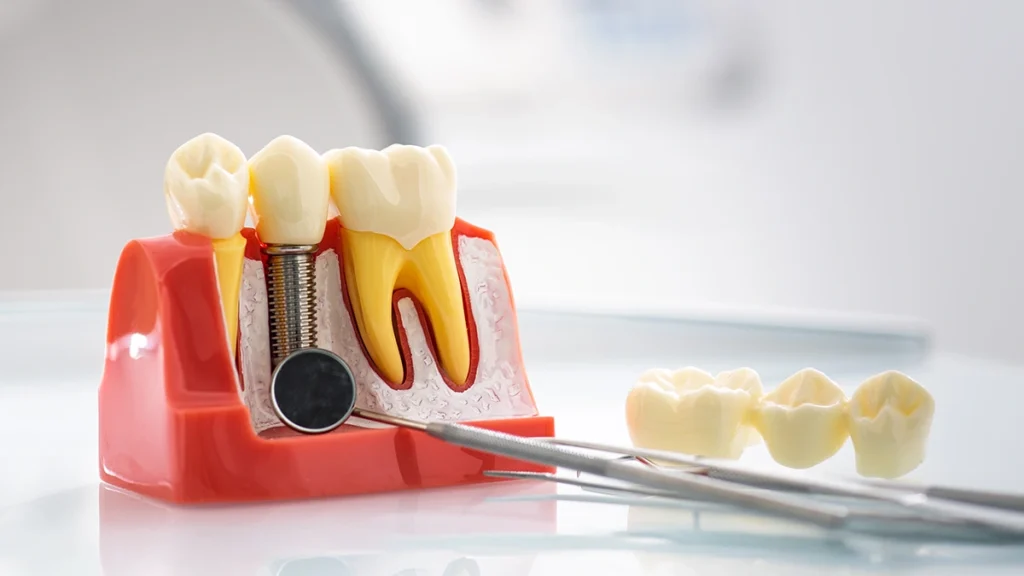
Dental implants are a common way to replace missing teeth, but they need healthy gums and stable bone support. If you have gum disease, you may still be able to get implants after treatment and once your oral health is stable. Dentists usually evaluate gum health, bone support, disease severity, oral hygiene, and healing ability before recommending treatment.
Quick Answer: Can You Get Dental Implants If You Have Gum Disease?
Yes, many patients can still receive dental implants after gum disease has been treated and their oral health has stabilized. Dentists evaluate the severity of periodontal disease, bone support, gum condition, and healing potential before recommending implant treatment. In many cases, treating gum disease first improves the chances of long-term implant success.
How Does Gum Disease Affect Dental Implants?
Gum disease dental implants treatment needs careful planning because periodontal disease can damage the gums and jawbone that implants depend on. When gum disease is active, bacteria, bleeding, gum pockets, and bone loss may increase implant risks.
What Is Periodontal Gum Disease?
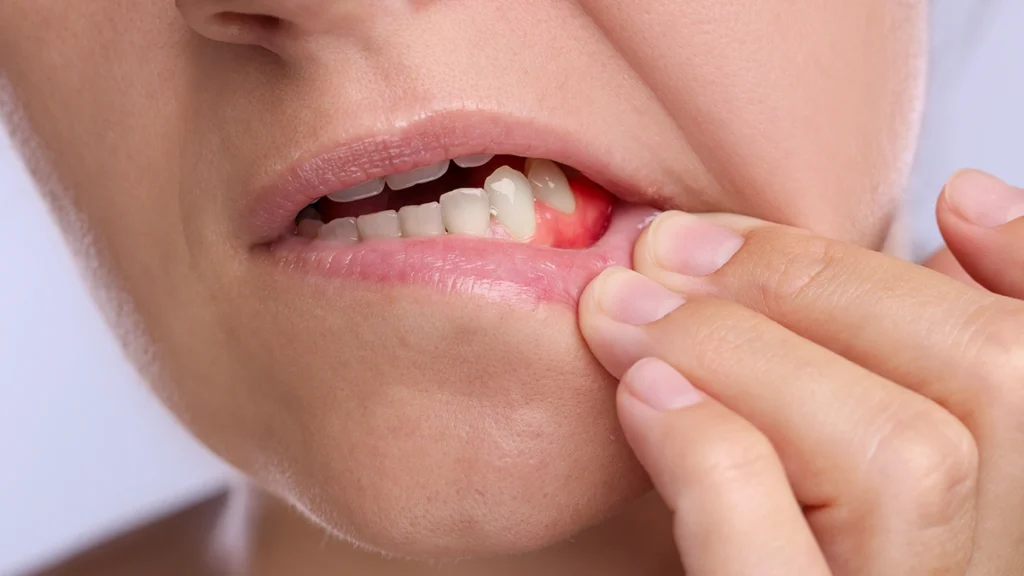
Periodontal disease, also called gum disease, affects the tissues that support the teeth. Early stages may cause redness, swelling, or bleeding, while advanced periodontitis can damage gum attachment and jawbone.
How Gum Disease Damages Teeth and Bone
Gum disease often starts when plaque builds up around the gumline and hardens into tartar. As inflammation progresses, pockets form between the gums and teeth, trapping bacteria and making cleaning harder.
Why Healthy Gums Matter for Implant Success
Dental implants need healthy gums and bone even though they cannot get cavities. Gum tissue helps protect the implant site from bacteria and lowers the risk of peri-implant disease.
Start a Conversation
Contact us through the communication method that suits you





Can You Get Dental Implants If You Have Gum Disease?
Yes, you may still be able to get dental implants if you have gum disease, but the disease usually needs to be controlled first. Your dentist may use an exam, X-rays or 3D imaging, pocket measurements, and an oral hygiene review before deciding.
When Implant Treatment Is Still Possible
Implant treatment may be possible when gum disease is inactive, inflammation is reduced, bleeding is controlled, and bone support is adequate. Patients with a history of gum disease may still do well with regular maintenance.
Why Active Gum Disease Usually Needs Treatment First
Active gum disease can increase the risk of infection, poor healing, and implant instability. Dental implants rely on osseointegration, where the implant fuses with the jawbone, and uncontrolled inflammation may interfere with that process.
When Dentists May Delay Implant Surgery
Dentists may delay implant surgery if there is infection, gum disease, bone loss, poor oral hygiene, untreated health issues, or smoking-related healing risks.
- Active gum infection or swelling
- Deep periodontal pockets that still collect bacteria
- Uncontrolled bleeding or inflammation
- Significant bone loss around the implant site
- Poor plaque control or inconsistent oral hygiene
- Medical conditions that may affect healing
- Smoking habits that increase surgical risks
Does Gum Disease Rule Out Dental Implants?
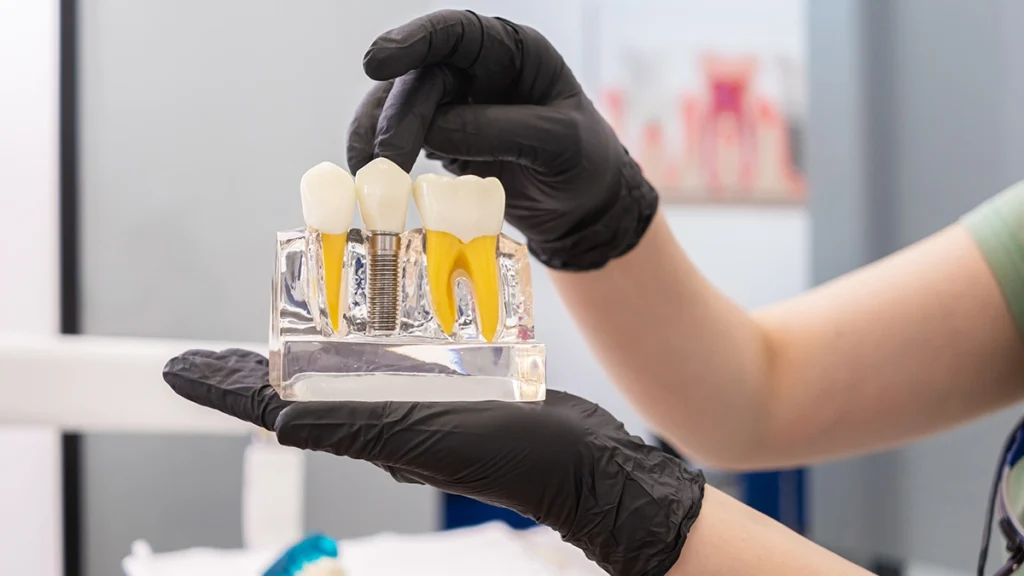
Gum disease does not automatically rule out dental implants. The decision depends on disease severity, bone support, gum stability, medical history, and your ability to maintain oral hygiene.
Mild Gum Disease
Mild gum disease, such as gingivitis or early inflammation, may not prevent dental implants once treated. Your dentist may recommend cleaning, better home care, antibacterial treatment, or monitoring.
Moderate Periodontitis
Moderate periodontitis requires more careful planning because patients may have deeper pockets, gum recession, or bone loss. Periodontal therapy, scaling and root planing, maintenance visits, and healing time are often recommended first.
Advanced Gum Disease and Bone Loss
Advanced gum disease can make implants more complex, especially when bone loss is significant. Dental implants after gum disease may still be possible with infection control, extractions, bone grafting, regeneration, sinus lift procedures, or staged placement.
Individual Assessment Is Essential
Every case is different. One patient may be ready after basic periodontal therapy, while another may need months of disease control and bone rebuilding.
What Dentists Evaluate Before Dental Implant Treatment
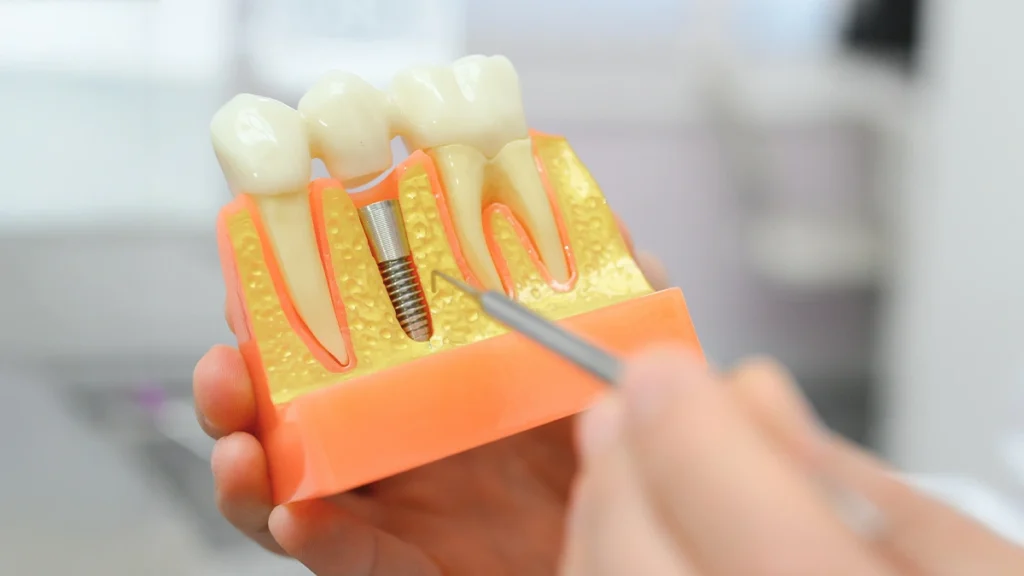
Before recommending dental implants, your dentist evaluates factors that affect healing, implant stability, and long-term success.
Gum Health
Your dentist checks for inflammation, bleeding, gum recession, periodontal pockets, and infection. If the gums show active disease, periodontal treatment may be needed first.
Bone Volume and Density
Implants need enough jawbone for support. Gum disease and tooth loss can reduce bone volume, so your dentist may use X-rays or 3D scans to check bone height, width, and density.
Oral Hygiene Habits
Good oral hygiene is essential for implant care. Your dentist may evaluate plaque control and whether you can maintain the implant area after treatment.
Medical Conditions That Affect Healing
Certain conditions and medications may affect healing or implant planning, including uncontrolled diabetes, immune conditions, bleeding disorders, and some bone-related treatments.
Smoking and Lifestyle Factors
Smoking can affect gum health, blood flow, healing, and long-term implant outcomes. Some smokers may still qualify, but dentists often recommend stopping or reducing smoking.
Treating Gum Disease Before Dental Implants
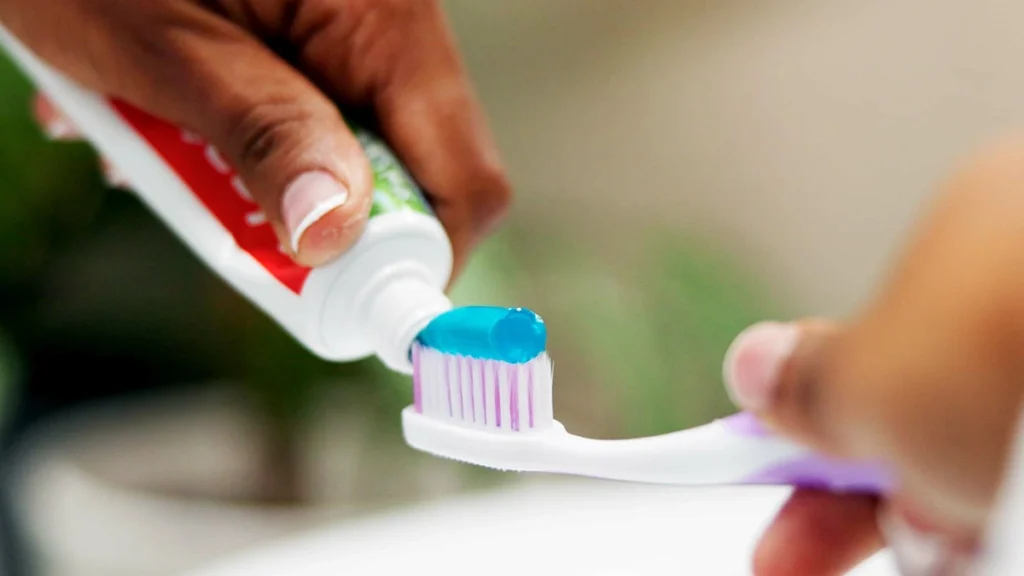
Treating gum disease before implants helps reduce inflammation, control bacteria, stabilize the gums, and protect bone. This creates a healthier foundation for treatment.
Professional Periodontal Therapy
Professional periodontal therapy may include deep cleaning, infection control, gum pocket reduction, and regular maintenance visits. Moderate or advanced disease may require a periodontist.
Scaling and Root Planing
Scaling and root planing removes plaque and tartar from below the gumline. After treatment, your dentist may reassess pocket depths, bleeding, and inflammation.
Surgical Gum Treatment When Necessary
Advanced cases may require flap surgery, pocket reduction, gum grafting, bone grafting, or regenerative procedures to manage infection and support healthier tissue.
How Long Healing May Take Before Implant Placement
Healing time depends on the severity of gum disease and the treatment performed. Some patients may be reassessed within weeks, while others may need several months.
Read more: Why Regular Dental Check-Ups Matter for Your Oral Health (2026 Guide)
Upload your photos and receive a free AI-powered preliminary analysis in minutes. No commitment required.
Dental Implants After Gum Disease
Dental implants after gum disease can succeed when the dentist controls the disease and the patient follows a long-term maintenance plan. Patients with a history of periodontal disease need careful monitoring.
When Implant Placement Becomes Safe
Dentists may consider implant placement safer when inflammation decreases, periodontal pockets stay stable, infection is under control, and the patient maintains consistent oral hygiene.
How Bone Loss May Affect Treatment
Bone loss can affect implant position, size, timing, and treatment complexity. If gum disease has reduced available bone, your dentist may recommend grafting or additional planning.
Bone Grafting and Regeneration Options
Dentists may recommend bone grafting when there is not enough bone to support an implant. Some patients may need guided bone regeneration, ridge augmentation, or a sinus lift.
Long-Term Maintenance After Implant Placement
Long-term maintenance is especially important for patients with previous gum disease. Regular check-ups, professional cleanings, and daily plaque control help protect implants and natural teeth.
Implant Treatment Based on Gum Health
Gum health often shapes the implant plan, including whether treatment can move forward directly or whether periodontal therapy, healing time, or bone support is needed first.
| Gum Condition | Implant Treatment Approach |
| Healthy gums | Implant treatment can usually proceed after routine evaluation. |
| Mild gum disease | Periodontal treatment may be completed before implant placement. |
| Moderate periodontitis | Disease control and healing are typically recommended first. |
| Advanced gum disease with bone loss | Additional treatments such as bone grafting may be needed before implants. |
A personalized dental exam helps confirm whether the gums are stable enough for implant placement or whether additional treatment is needed first.
What Happens If Gum Disease Is Not Treated Before Implants?
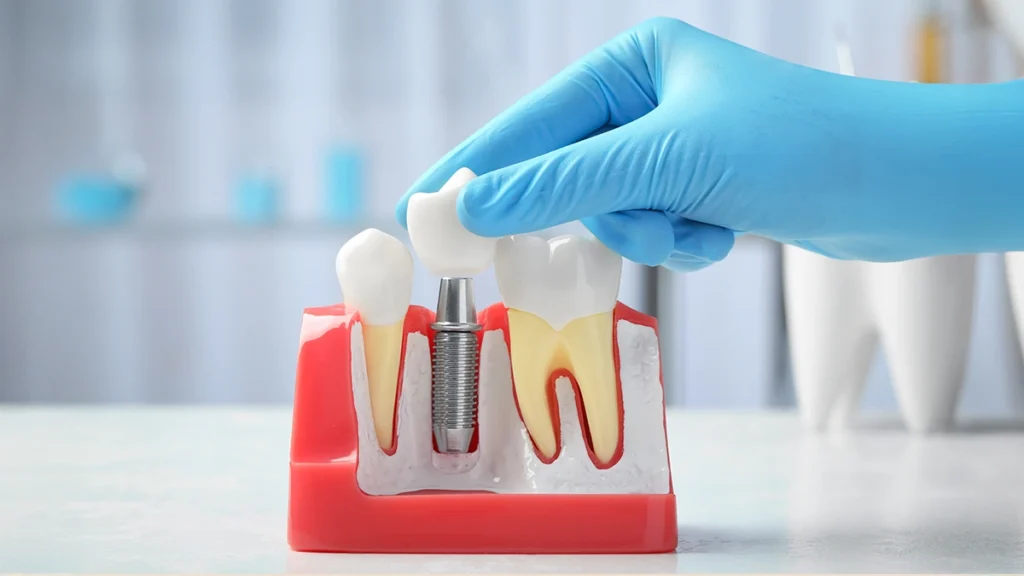
Untreated gum disease can increase the risk of complications before, during, and after dental implant treatment. This is why dentists usually focus on gum health first.
Increased Infection Risk
Active gum disease means bacteria and inflammation are present. If implants are placed before infection is controlled, the implant site may be more vulnerable.
Poor Osseointegration
Osseointegration is the process where the implant connects with the jawbone. Inflammation, infection, poor bone quality, or poor healing may affect implant stability.
Peri-Implant Disease
Peri-implant disease refers to inflammation around dental implants. It may begin in the soft tissue and, in advanced cases, lead to bone loss.
Higher Risk of Implant Failure
Implant failure may be linked to infection, poor healing, insufficient bone, smoking, uncontrolled medical conditions, or poor oral hygiene. Untreated gum disease can add to these risks.
Read more: Dental Implants and Medical Conditions in Turkey 2026: Safety, Risks & Treatment Guide
How to Improve Your Chances of Implant Success
If you have gum disease and want dental implants, you can support better outcomes by improving oral hygiene, controlling risk factors, and following your dentist’s maintenance plan.
Maintain Excellent Oral Hygiene
Brush at least twice daily and clean between your teeth as recommended. Some patients benefit from interdental brushes, water flossers, antimicrobial rinses, or special implant-cleaning tools.
Attend Regular Periodontal Check-Ups
Regular periodontal check-ups help monitor gum health, remove tartar, check implant stability, and detect inflammation early.
Stop or Reduce Smoking
Smoking can slow healing and increase the risk of gum and implant complications. Your dentist may recommend quitting before implant surgery and avoiding smoking during healing.
Follow Your Dentist’s Aftercare Instructions
After implant surgery, follow your dentist’s guidance on medications, diet, cleaning, and follow-up care. Good aftercare supports healing and lowers complication risks.
Read more: Daily Oral Hygiene Tips for Healthy Teeth and Gums (2026 Guide)
Who Is a Good Candidate for Dental Implants After Gum Disease?
A good candidate has controlled periodontal disease, enough bone support, stable gums, and a strong commitment to daily oral hygiene and long-term maintenance.
Patients with Controlled Periodontal Disease
Patients with controlled periodontal disease may qualify when inflammation decreases and the gums stay stable. Your dentist will check that the disease is not actively progressing.
Adequate Bone Support
Adequate bone support helps the implant stay stable during healing and long-term function. If the jawbone lacks enough volume, your dentist may recommend bone grafting or another preparatory procedure.
Good Daily Oral Hygiene
Patients who clean their teeth and gums consistently are usually better candidates for implants. Good home care helps reduce plaque buildup around implants.
Commitment to Long-Term Maintenance
Dental implants need ongoing care. Patients who attend regular visits and follow maintenance recommendations are more likely to protect their implants.
Upload your photos and receive a free AI-powered preliminary analysis in minutes. No commitment required.
People Also Ask About Gum Disease and Dental Implants
- Can you get dental implants with gum disease?
- Does gum disease rule out dental implants?
- How long after gum disease treatment can you get implants?
- Can implants fail because of gum disease?
- Is bone grafting always necessary after gum disease?
Final Insight — Healthy Gums Come Before Successful Dental Implants
Dental implants can be an effective solution for missing teeth, but they need a healthy foundation. If you have gum disease, the first step is usually to treat and stabilize the gums before implant placement.
Treat the Disease First
Treating gum disease helps reduce infection, inflammation, and bacteria before implant surgery. This supports safer treatment planning.
Stable Gums Improve Implant Success
Stable gums and healthy bone are important for implant healing and long-term function. When periodontal disease is controlled, implant treatment may become more predictable.
Long-Term Maintenance Protects Your Investment
After dental implants are placed, ongoing care is essential. Regular visits, good oral hygiene, and periodontal maintenance help protect the implant and surrounding tissue.
Personalized Treatment Planning Is Essential
Every case is different. Some patients need basic periodontal care before implants, while others need advanced treatment such as bone grafting or gum surgery.
Which treatment are you interested in?
FAQ
Yes. Many patients become suitable candidates after periodontal disease has been treated and the gums have stabilized.
No. Disease severity, bone support, and overall oral health determine whether implant treatment is appropriate.
The waiting period depends on healing, treatment type, and your dentist’s clinical assessment.
Yes. Untreated or recurring gum disease may increase the risk of peri-implant disease and implant complications.
Not always. Bone grafting is recommended only when there is not enough bone to support an implant.
Some smokers may still be candidates, but smoking can increase healing complications and affect long-term success.
Good oral hygiene, regular periodontal maintenance, smoking cessation, and following dentist instructions help lower the risk.
With healthy gums, proper maintenance, and regular check-ups, implants can last many years, but results vary.