
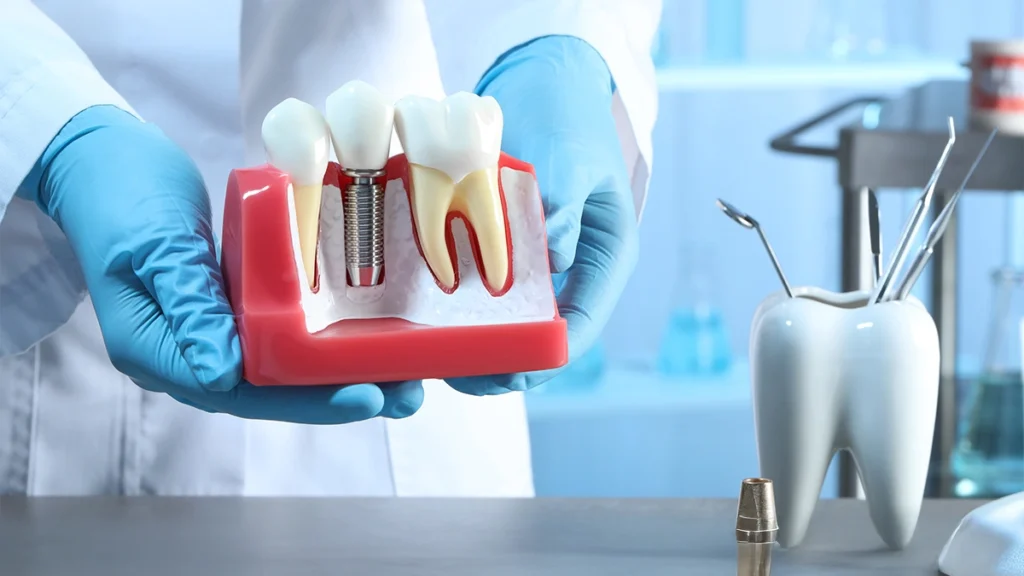
Dental implants are one of the most reliable ways to replace missing teeth, but many patients wonder whether existing health problems could affect treatment. The good news is that having a medical condition does not automatically rule out dental implants. In many cases, successful treatment is still possible with careful planning, proper timing, and coordination between the dentist and the patient’s physician when needed.
Quick Answer: Can Patients With Medical Conditions Get Dental Implants?
Yes, many patients with medical conditions can successfully receive dental implants. However, dentists must evaluate factors such as gum health, bone quality, medications, healing ability, and overall health before treatment. Some conditions may require additional precautions, medical clearance, or treatment planning adjustments to improve implant success and safety.
What Dentists Evaluate Before Recommending Dental Implants
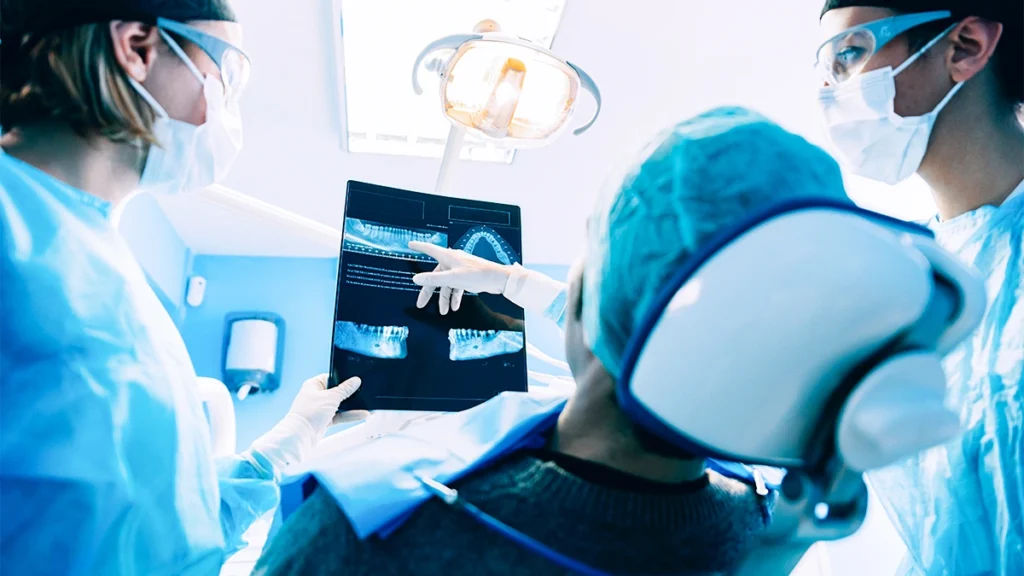
Before recommending dental implants, dentists look beyond the missing tooth itself. Implant treatment depends on how well the bone and soft tissues can support healing and long-term stability.
Medical History and Current Health Status
A dentist will review the patient’s medical history, including chronic illnesses, recent surgeries, current symptoms, and whether any conditions are well controlled. A stable medical condition may present fewer concerns than an uncontrolled one. In implant dentistry, overall health matters because it affects healing, infection resistance, and treatment safety.
Bone Quality and Jawbone Volume
Dental implants need enough bone to achieve stability. If the jawbone is too thin, too soft, or has resorbed after tooth loss, additional evaluation may be necessary. In some cases, bone grafting or alternative implant planning may help improve the foundation for treatment.
Gum Health and Infection Risk
Healthy gums are essential for successful dental implants. Active gum inflammation, infection, or untreated periodontal disease may increase the risk of complications. Dentists usually want the gum tissues stabilized before implant placement.
Medications That May Affect Healing
Some medications may influence bleeding, immunity, bone metabolism, or post-surgical healing. This does not mean treatment is impossible, but it may change the timing, surgical approach, or follow-up protocol. Patients should always share a full medication list before treatment.
Lifestyle Factors That Influence Implant Success
Smoking, poor oral hygiene, heavy teeth grinding, and inconsistent dental maintenance may all affect long-term implant outcomes. These factors are especially important in patients who already have underlying medical concerns.
Start a Conversation
Contact us through the communication method that suits you





Are Dental Implants Safe for Patients With Medical Conditions?
Dental implants are often safe for patients with medical conditions, but safety depends on the condition itself, how well the patient manages it, and how the dentist adjusts the treatment plan.
When Implants Are Usually Safe
Dental implants are often considered when the patient’s general health is stable, the gums are healthy, and there is enough bone support for placement. Many patients with controlled medical conditions can proceed safely with implant treatment after a proper dental and medical review.
When Additional Precautions Are Required
Some patients may need medical clearance, additional imaging, staged treatment, or closer post-operative monitoring. This can apply to people with cardiovascular conditions, immune-related disorders, bone metabolism issues, or those taking medications that affect bleeding or healing.
Why Individual Assessment Matters More Than Diagnosis Alone
Two patients with the same diagnosis may have very different levels of treatment risk. For example, a well-managed condition may have little effect on implant treatment, while an unstable version of the same condition may require delay or modification. This is why individual assessment matters more than diagnosis alone.
Dental Implants and Gum Disease
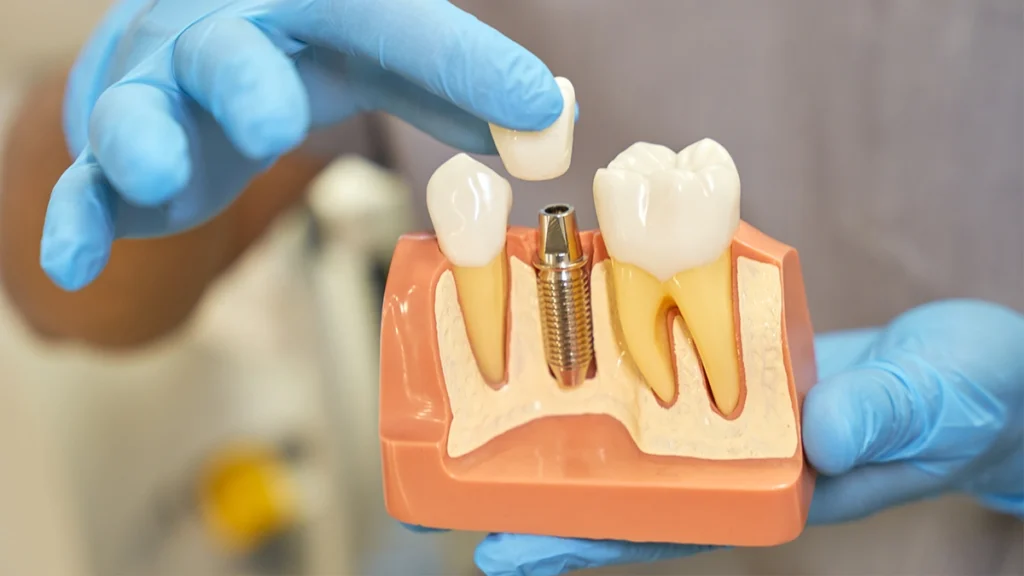
Gum health is one of the most important factors in implant dentistry. Periodontal disease does not always prevent implants, but it must be taken seriously.
How Gum Disease Affects Implant Planning
Gum disease can damage the bone and soft tissue that support dental implants. It can also raise the risk of peri-implant inflammation when infection remains untreated before surgery.
Can Implants Be Placed After Periodontal Treatment?
In many cases, yes. Dentists can often place dental implants after periodontal treatment once the gums heal, inflammation improves, and the patient maintains good oral hygiene. The right timing depends on tissue stability and the amount of bone support left.
Signs Gum Health Must Be Stabilized First
Persistent bleeding, swelling, gum pocketing, loose teeth, bad breath related to infection, or active bone loss may suggest that periodontal treatment should come before implants. Placing implants into an unhealthy environment may raise the risk of complications.
Long-Term Maintenance After Implant Placement
Patients with a history of gum disease often need careful long-term maintenance. Regular hygiene visits, home care, and monitoring around implants are critical to reduce future tissue problems.

Dental Implants and Bone Health Conditions
Bone health plays a major role in implant success because the implant must integrate with the jawbone.
Osteoporosis and Dental Implant Success
Osteoporosis does not automatically prevent dental implant treatment. Many patients with osteoporosis remain candidates for implants, but bone quality and systemic health should be assessed carefully. The presence of osteoporosis alone is less important than the actual bone condition in the implant site.
How Bone Density Influences Implant Stability
Bone density affects how the implant is placed, how stable it is at the time of surgery, and how well it may integrate during healing. Lower bone density may require modifications in implant size, healing time, or surgical technique.
Osteoporosis Medications and Treatment Planning
Some osteoporosis medications may influence how dentists approach surgery, especially when bone metabolism is a concern. Patients should never stop medication on their own. Instead, the implant dentist may request medical information from the prescribing physician before treatment.
When Additional Bone Evaluation Is Needed
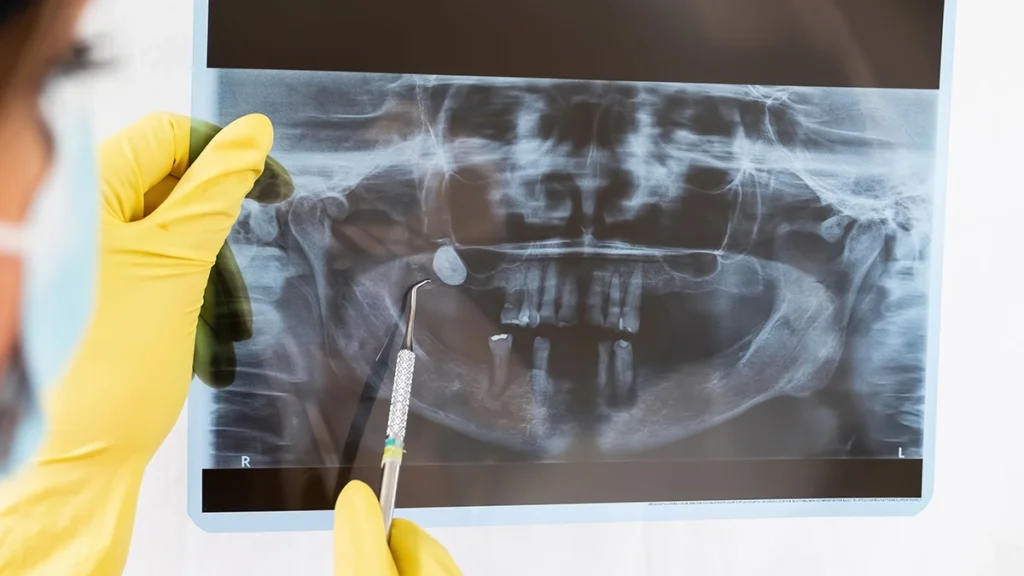
If the patient has significant bone loss, osteoporosis, previous implant failure, or long-term medication use that affects bone health, the dentist may recommend additional imaging and bone evaluation.
Smoking and Dental Implants
Smoking is one of the most frequently discussed risk factors in implant dentistry.
How Smoking Affects Healing
Smoking may reduce blood flow, slow soft tissue healing, and increase the chance of inflammation during the recovery phase. Healing quality can be especially important in the weeks immediately following implant surgery.
Smoking and Implant Failure Risk
Smokers may face a higher risk of implant complications than non-smokers. Implants do not always fail in smokers, but careful planning and consistent maintenance become especially important.
When Dentists Recommend Quitting
Dentists often encourage patients to stop smoking before and after implant surgery, especially during the healing period. Even reducing smoking may be discussed as part of risk reduction, although complete cessation is generally more favorable.
Can Smokers Still Be Implant Candidates?
Yes, Some people who smoke may still be suitable candidates for dental implants. The key issue is informed planning, realistic expectations, and commitment to follow instructions that support healing.

Dental Implants and Bruxism (Teeth Grinding)
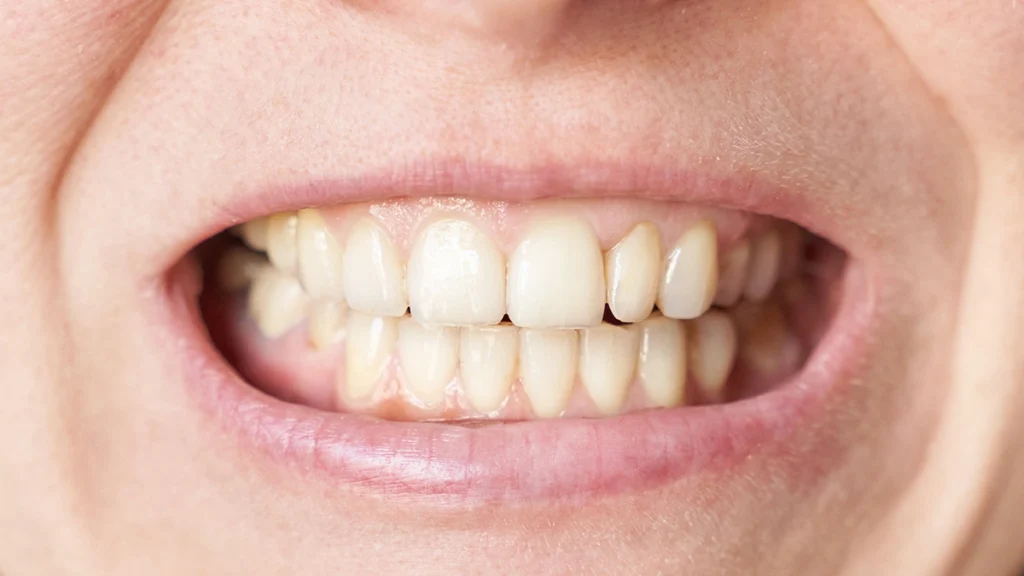
Bruxism places excessive force on the teeth and can also affect implants.
How Grinding Increases Implant Stress
Teeth grinding may overload implants and restorations over time. Since implants do not have the same shock-absorbing ligament as natural teeth, force distribution becomes especially important.
Bite Forces and Implant Longevity
Excessive bite forces may affect screws, crowns, surrounding bone, or the long-term stability of the implant restoration. This is why occlusal planning is an important part of implant treatment in patients with bruxism.
Protective Night Guards and Risk Reduction
A night guard may be recommended to reduce stress on implants during sleep. While it does not remove bruxism entirely, it may help protect the restoration and improve long-term maintenance.
When Bruxism Requires Additional Planning
Patients with severe grinding may need additional implant planning, such as careful bite adjustment, stronger restorative design, or staged rehabilitation to reduce overload.
Heart Conditions, Blood Pressure and Dental Implants
Many patients with cardiovascular conditions can still receive dental implants, but medical stability is important.
Can Patients With High Blood Pressure Get Dental Implants?
Patients with controlled blood pressure are often able to receive implant treatment. However, uncontrolled hypertension may increase surgical concern and may need to be stabilized before treatment proceeds.
Heart Disease and Implant Surgery
Patients with heart disease may require a detailed review of medications, recent procedures, and overall cardiovascular stability. Some can proceed routinely, while others may need a more cautious plan.
Why Medical Clearance May Be Recommended
Medical clearance may help confirm that the patient is stable enough for oral surgery and that there are no special precautions related to bleeding, infection prevention, or medication interactions.
What Dentists Need From Your Cardiologist
The dentist may need information about the patient’s diagnosis, medication use, blood pressure control, recent cardiac events, and whether there are any specific recommendations for dental surgery.

Dental Implants and Blood Thinner Medications
Blood thinner medications are an important consideration because implant placement is a surgical procedure.
Why Blood Thinners Matter During Implant Surgery
These medications may affect clotting and bleeding during or after surgery. This does not automatically prevent treatment, but the surgical plan may need adjustment.
Managing Bleeding Risks
Dentists typically manage bleeding risks through careful planning, surgical technique, local hemostatic measures, and coordination with the patient’s physician where appropriate.
Never Stop Medication Without Medical Advice
Patients should never stop blood thinner medication on their own for dental treatment. Changes to medication must be guided by the prescribing doctor, not by guesswork or patient preference.
Coordinating Care Between Doctor and Dentist
Communication between the dentist and physician helps balance two priorities: reducing surgical bleeding risk while also protecting the patient’s broader medical safety.
Upload your photos and receive a free AI-powered preliminary analysis in minutes. No commitment required.
Autoimmune Diseases and Dental Implants
These conditions affect patients in different ways, so dentists usually base treatment decisions on disease stability, healing ability, and medication use rather than diagnosis alone.
How Autoimmune Conditions Affect Healing
Some autoimmune diseases may influence healing, inflammation, or infection resistance. The impact varies widely depending on the condition, disease activity, and medication use.
Infection Considerations
Patients with immune-related conditions may require closer monitoring if there is concern about reduced healing capacity or higher infection susceptibility.
Immunosuppressive Medications and Implants
Immunosuppressive medications may affect how the body responds to surgery. This does not always prevent implant treatment, but it may increase the need for careful timing and follow-up.
Questions Patients Should Ask Before Treatment
Patients should ask whether their dentist considers their condition stable, whether their medication could affect surgery, whether they need medical clearance, and what extra precautions may support healing.

Pregnancy and Dental Implant Planning
Pregnancy changes treatment priorities, even when dental implants are part of a long-term restorative plan.
Why Implant Surgery Is Usually Postponed
Dentists usually delay implant surgery during pregnancy unless a compelling reason requires earlier treatment. They commonly postpone elective surgical procedures until after delivery to reduce avoidable treatment stress.
Which Dental Treatments May Be Performed During Pregnancy
During pregnancy, dentists may focus on essential care such as examinations, hygiene support, management of pain or infection, and temporary measures to maintain function and comfort.
Planning Implant Treatment After Delivery
Once the patient has recovered after delivery, implant planning can usually continue with appropriate imaging, surgical scheduling, and restorative preparation.
Crowns, Temporary Restorations and Future Implants
Temporary prosthetic solutions may be used during pregnancy when aesthetics or chewing function are affected, while definitive implant surgery is planned for later.

TMJ Disorders, Missing Teeth and Dental Implants
TMJ patients with missing teeth may experience changes in bite balance and jaw movement, so any TMJ-related symptoms should be reviewed before planning dental implants.
How Missing Teeth Affect Jaw Function
Missing teeth may change how forces are distributed during chewing. Over time, this may contribute to altered bite patterns or additional stress in the jaw system.
Can Implants Improve Bite Stability?
In some patients, replacing missing teeth with implants may help restore support and improve chewing balance. However, implants are not a direct treatment for TMJ disorders and should not be presented that way.
When TMJ Symptoms Require Additional Evaluation
If the patient has jaw pain, clicking, limited opening, muscle fatigue, or a complex bite problem, additional evaluation may be recommended before implant treatment.
Implant Planning and Occlusion Management
Careful occlusal planning is essential in patients with TMJ concerns so that implants support function without worsening bite-related stress.

Dental Implants After Cancer Treatment or Radiation
A history of cancer treatment may affect implant timing and healing potential.
Cancer Treatment and Oral Health
Chemotherapy, surgery, and other cancer-related treatments may affect oral tissues, immunity, salivary function, and recovery capacity. Each patient’s situation should be assessed individually.
Radiation Therapy and Implant Considerations
Radiation involving the jaw area may require special caution because it can affect bone healing and tissue response. These cases often need more advanced evaluation.
Timing Implant Placement After Treatment
Timing depends on the type of treatment received, the patient’s recovery, and the condition of the oral tissues and bone. Implant placement may be possible, but not always immediately.
When Specialist Evaluation Is Necessary
Patients who have received head and neck radiation or complex cancer therapy may benefit from evaluation by oral surgery or restorative specialists familiar with medically complex implant cases.
Medical Conditions That May Affect Implant Healing
Not all medical conditions affect implant treatment in the same way, but several categories commonly influence healing and planning.
Delayed Healing Conditions
Conditions that slow tissue repair may lengthen recovery time and require closer monitoring after surgery.
Increased Infection Risk
Any health problem or medication that reduces immune defense may increase the need for caution during the healing period.
Bone Metabolism Disorders
Disorders affecting bone turnover, density, or remodeling may influence implant stability and long-term integration.
Medication-Related Considerations
Drugs affecting clotting, immunity, inflammation, or bone activity may all require planning adjustments before dental implants.
When Dental Implants May Need to Be Delayed
Sometimes the safest treatment decision is not to refuse implants, but to postpone them until conditions improve.
Active Gum Disease
If there is ongoing infection or unstable periodontal health, treatment may need to be delayed until the tissues are healthy enough for implant placement.
Uncontrolled Medical Conditions
Poorly controlled systemic disease may raise surgical risk and reduce implant success. Stabilization is often the first step.
Recent Medical Procedures
Recent hospitalization, surgery, or significant medical events may require waiting until the patient has recovered sufficiently.
High-Risk Healing Situations
Smoking, immune suppression, untreated oral infection, poor oral hygiene, or unstable bone conditions may all justify delaying surgery until the risk profile improves.
Who Is a Good Candidate for Dental Implants?
Many patients ask who qualifies for dental implants. In general, a good candidate is someone whose mouth and health status can support healing and long-term maintenance.
Healthy Gum Tissue
The gums should be free of active infection and capable of supporting the implant environment.
Sufficient Bone Support
There should be enough bone quantity and quality for stable implant placement, or a realistic plan to improve that support where needed.
Stable Medical Conditions
A chronic condition does not automatically exclude treatment. What matters more is whether it is stable and appropriately managed.
Good Oral Hygiene Habits
Patients who maintain oral hygiene and attend follow-up visits generally support better long-term implant care.
Commitment to Long-Term Maintenance
Dental implants require ongoing maintenance. Patients should be willing to care for the implants, attend reviews, and follow professional advice.
Upload your photos and receive a free AI-powered preliminary analysis in minutes. No commitment required.
Questions to Ask Before Getting Dental Implants
Patients with medical conditions should ask clear questions before starting treatment.
Will My Medical Condition Affect Implant Success?
This helps determine whether the condition changes healing expectations or requires special precautions.
Do My Medications Require Special Planning?
Medication review is essential in surgical care, especially when bleeding, immunity, or bone health may be involved.
Is Additional Testing Needed?
Some patients may need extra imaging, periodontal evaluation, or medical documentation before proceeding.
What Precautions Will Be Taken?
Patients should understand how the clinic plans to reduce risks, monitor healing, and coordinate care when necessary.
How to Prepare for Dental Implant Treatment With a Medical Condition
Preparation can improve safety, predictability, and healing quality.
Stabilize Existing Health Conditions
Patients should follow their doctor’s advice and aim for the best possible control of any chronic condition before treatment.
Improve Oral Hygiene
Healthy gums and lower bacterial load create a more favorable environment for implant placement.
Follow Medical Advice
Patients should never change or stop medication without professional advice. All treatment decisions should be coordinated properly.
Complete Necessary Dental Treatment First
Gum treatment, extractions, infection control, or restorative planning may need to happen before implant surgery begins.
People Also Ask About Dental Implants and Medical Conditions
- Can patients with medical conditions get dental implants?
- Does osteoporosis prevent dental implants?
- Can smokers get dental implants?
- Are dental implants safe with heart disease?
- Can I get implants while taking blood thinners?
- Do autoimmune diseases affect implant success?
- Can implants be placed after gum disease treatment?
- Are dental implants possible after cancer treatment?
Final Insight — Medical Conditions Do Not Automatically Prevent Dental Implants
Many patients assume that a diagnosis alone makes dental implant treatment impossible. In reality, implant suitability is usually based on disease control, oral health, bone support, medication review, and careful treatment planning.
Stability Matters More Than Diagnosis
A stable condition often presents a very different risk level than an uncontrolled one. This is why personalized assessment is so important.
Proper Planning Improves Implant Success
The right imaging, timing, surgical approach, and follow-up strategy can make implant treatment safer and more predictable in medically complex patients.
Medical Collaboration Enhances Safety
When dentists and physicians coordinate care, the treatment plan can better balance oral rehabilitation goals with overall health protection.
Many Patients With Chronic Conditions Remain Good Implant Candidates
Patients with gum disease history, osteoporosis, smoking habits, cardiovascular conditions, autoimmune disorders, or prior cancer treatment may still qualify for implants in the right circumstances.
Which treatment are you interested in?
FAQ
Yes. Many patients with controlled medical conditions can successfully receive dental implants after proper evaluation.
Conditions affecting healing, bone health, immunity, or bleeding may require additional planning.
Many smokers can receive implants, although smoking may increase healing and implant failure risks.
Not necessarily. Bone quality, medication use, and overall health must be evaluated individually.
Many heart patients are eligible for implants, but dentists may request medical clearance before surgery.
Yes. Treatment planning may require coordination with the patient’s physician to manage bleeding risks safely.
Not automatically. Dentists evaluate disease stability, medications, and healing potential before treatment.
Often yes, provided the gum disease has been treated and the oral tissues are healthy enough to support implant placement.