
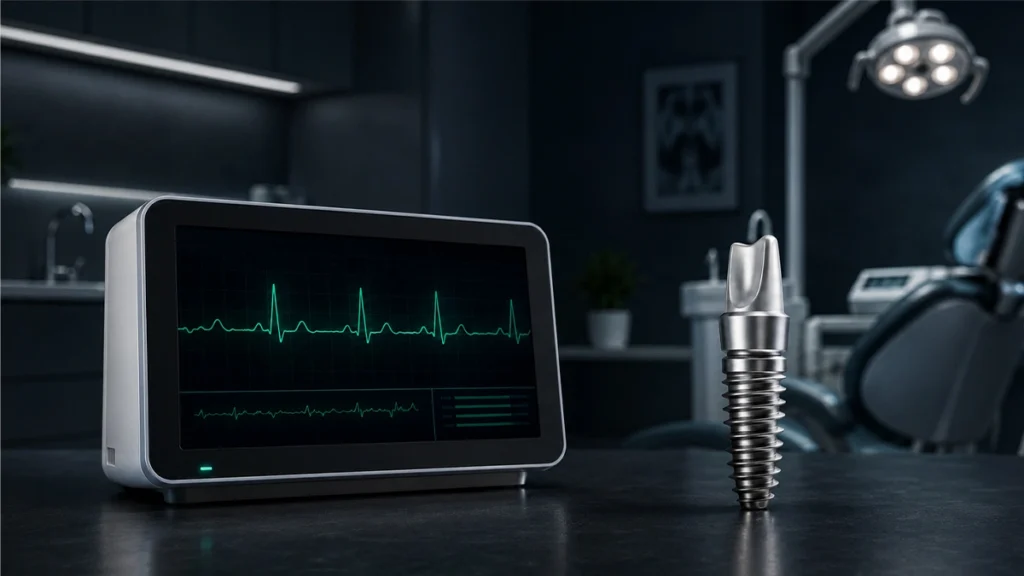
Living with heart disease may make dental implant surgery feel more complicated, especially if you take blood thinners, have undergone heart surgery, or live with a stent, pacemaker, or irregular heart rhythm. However, a heart condition does not automatically prevent you from replacing missing teeth with dental implants.
Quick Answer: Can You Get Dental Implants With Heart Disease?
Yes, many people with heart disease can safely receive dental implants. The decision depends on the type and stability of the heart condition, current medications, and whether your cardiologist recommends additional precautions before surgery. Some patients may require cardiac clearance or temporary adjustments to their treatment plan, but heart disease alone does not automatically rule out dental implants.
Can You Get Dental Implants With Heart Disease?
Many patients with controlled heart disease can safely receive dental implants under local anesthesia. Suitability depends on the stability of the condition, current medications, recent cardiac procedures, and the complexity of surgery.
Why Heart Disease Does Not Automatically Prevent Implant Surgery
Stable heart disease may require only routine precautions, such as blood pressure monitoring, stress reduction, and medication review. Treatment may be delayed if symptoms are unstable or a major cardiac procedure was recent.
Which Heart Conditions Require Additional Planning?
Extra assessment may be needed for patients with:
- Coronary artery disease or a previous heart attack.
- Heart valve disease, heart failure, or arrhythmias.
- Congenital heart disease or uncontrolled blood pressure.
Individual Risk Assessment Before Treatment
The dentist reviews the patient’s symptoms, medications, cardiac history, and planned procedure to determine the safest treatment approach.
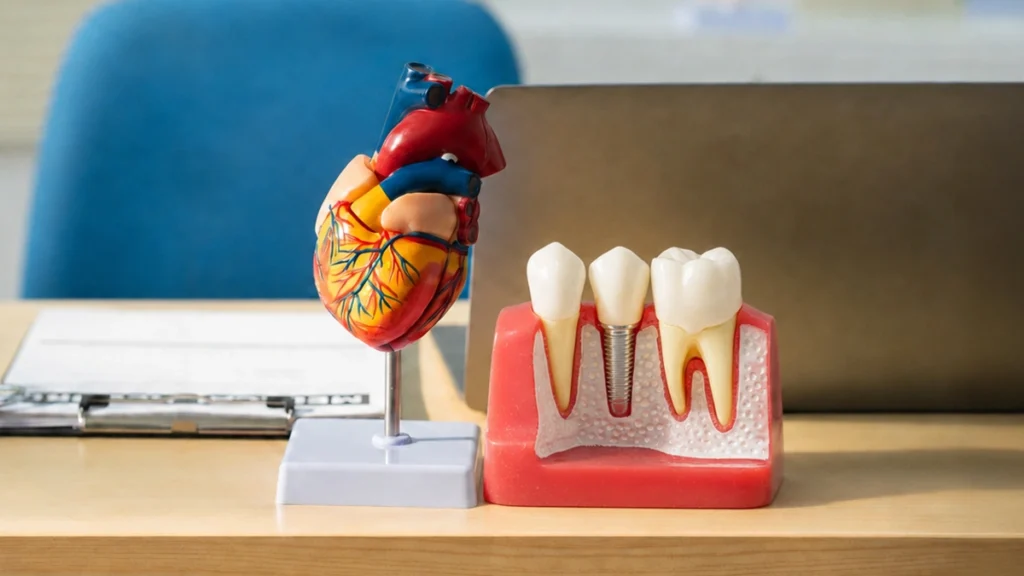
Start a Conversation
Contact us through the communication method that suits you





Which Heart Conditions Require Special Consideration?
Some heart conditions require closer evaluation before dental implant surgery because they can affect bleeding, stress tolerance, medication management, or treatment timing.
Coronary Artery Disease
Patients with stable coronary artery disease may still qualify for dental implants. However, active chest pain, shortness of breath, or recently worsening symptoms require medical evaluation before elective surgery.
Heart Valve Disease
Patients with heart valve disease may need additional review, especially if they have a prosthetic valve, a history of infective endocarditis, or certain repaired heart conditions. These factors may determine whether the patient needs preventive antibiotics.
Heart Failure
Stable, well-controlled heart failure may not prevent implant surgery. However, worsening breathlessness, swelling, fatigue, or difficulty lying back may require the dentist to modify or postpone treatment.
Arrhythmias
The dentist should review the type of arrhythmia, how well the patient controls it, and which medications they take. Unstable heart rhythms, fainting, or recent episodes may require cardiac clearance.
Congenital Heart Disease
Some congenital heart conditions add little risk after successful repair, while others require specialist guidance. The dental team should review the exact diagnosis and any previous procedures before planning treatment.

Can Dental Implants Affect Your Heart?
Dental implants themselves do not harm the heart. The main concerns relate to the surgical procedure, including stress, bleeding, infection, and medication interactions.
Understanding the Connection Between Oral and Heart Health
Poor gum health may contribute to inflammation and allow oral bacteria to enter the bloodstream. Treating gum disease and dental infections before implant surgery is therefore particularly important for patients with heart conditions.
Why Dental Implants Do Not Harm the Heart
The implant remains within the jawbone and does not interfere with the heart or circulation. Once healing is complete, it functions as a local replacement for a missing tooth.
Managing Surgical Stress Safely
Pain and anxiety can temporarily increase blood pressure and heart rate. The dental team can reduce stress through effective local anesthesia, shorter appointments, clear communication, and appropriate monitoring.
Read more: Dental Implants and Blood Thinners: Can You Still Get Implant Surgery in Istanbul in 2026?
Upload your photos and receive a free AI-powered preliminary analysis in minutes. No commitment required.
When Is Cardiac Clearance Needed for Dental Implants?
Not every patient with heart disease needs formal cardiac clearance. It is usually considered when the condition is unstable, recently treated, or medically complex.
Recent Heart Attack or Cardiac Surgery
Elective implant treatment is often delayed after a heart attack, bypass surgery, valve procedure, or another major cardiac intervention. The cardiologist should confirm when the patient has recovered sufficiently.
Unstable Cardiac Conditions
Treatment may need to be postponed when the patient has uncontrolled chest pain, worsening heart failure, severe hypertension, significant arrhythmia, fainting, or unexplained breathing difficulty.
Patients Taking Blood Thinners
Blood thinners may increase bleeding, but stopping them can raise the risk of stroke, heart attack, or clotting around a coronary stent. Patients must never stop these medications without instructions from the prescribing doctor.
Why Medical Clearance Improves Safety
Medical clearance gives the dentist specific information rather than a general statement that the patient is “fit” or “unfit.” It can clarify the current diagnosis, stability of symptoms, medication plan, antibiotic requirements, and any limitations on treatment.

What Your Dentist May Need From Your Cardiologist
When medical coordination is necessary, the dentist may request information that directly affects treatment.
Current Medical Diagnosis
The dentist needs the exact diagnosis, its severity, current symptoms, and details of recent cardiac procedures or hospital admissions.
Medication List
Patients should provide a complete list of anticoagulants, antiplatelet drugs, blood pressure medicines, rhythm-control medications, and other treatments.
Blood Thinner Management
Any decision about changing or temporarily interrupting a blood thinner must come from the prescribing clinician. The dentist should not make this decision independently.
Fitness for Dental Surgery
The cardiologist may confirm that the patient is stable enough to undergo treatment under local anesthesia and recommend any necessary precautions.
Upload your photos and receive a free AI-powered preliminary analysis in minutes. No commitment required.
Should Dental Implants Be Placed Before or After Heart Surgery?
The timing depends on the urgency of the cardiac procedure and the condition of the mouth.
Elective vs Urgent Treatment
Dental implants are elective, while heart surgery may require urgent medical attention. The cardiac procedure usually takes priority unless the dentist must first treat an active dental infection.
Recovery After Cardiac Procedures
After heart surgery, the patient may need time for healing, follow-up testing, and medication stabilization. Implant planning can resume once the cardiologist confirms that the condition is stable.
When Implant Treatment May Be Delayed
The dental team may delay implant treatment after a recent heart attack, major cardiac surgery, worsening symptoms, or during a period when changing medications could create additional risks.

Do You Need Antibiotics Before Dental Implant Surgery?
Most patients with heart disease do not need preventive antibiotics solely because of their diagnosis.
Patients at Risk of Infective Endocarditis
Antibiotic prophylaxis may be appropriate for selected high-risk patients, including some people with prosthetic heart valves, previous infective endocarditis, or certain congenital heart conditions.
Current Clinical Recommendations
A heart stent, pacemaker, high blood pressure, arrhythmia, or coronary artery disease alone usually does not require preventive antibiotics.
When Antibiotics May Be Appropriate
Because implant surgery involves the gums and jawbone, the dentist may recommend antibiotics when the patient has a qualifying high-risk heart condition. The dentist may also prescribe them for separate surgical reasons after evaluating the case.
Read more: Dental Implants and Medical Conditions in Turkey 2026: Safety, Risks & Treatment Guide
Can You Get Dental Implants With a Heart Stent, Pacemaker, or Arrhythmia?
These conditions do not usually prevent implant treatment, but each requires individual planning.
Dental Implants After a Heart Stent
Many patients with heart stents can receive implants once their condition is stable. Antiplatelet medications should not be stopped without the cardiologist’s approval.
Living With a Pacemaker
A pacemaker does not interfere with the dental implant itself. The dentist should record the device and review any precautions related to the equipment used.
Patients With Irregular Heart Rhythm
Patients with arrhythmias may need medication review and monitoring. Recent palpitations, fainting, chest discomfort, or uncontrolled rhythms should be assessed before surgery.
Individual Treatment Planning
The dentist considers the number of implants, expected bleeding, appointment length, need for grafting, and the patient’s overall medical stability.

How Your Dental Team Plans Safer Implant Surgery
Patients with heart disease may benefit from a treatment plan designed to reduce surgical stress and manage bleeding safely.
Reviewing Your Medical History
The dental team reviews cardiac diagnoses, previous procedures, symptoms, medications, allergies, and any recent changes in health.
Digital Implant Planning
Three-dimensional scans help assess bone and select an accurate implant position. Careful planning may reduce unnecessary surgical trauma and shorten the procedure.
Monitoring During Treatment
Blood pressure, heart rate, and oxygen levels may be monitored depending on the patient’s condition and the complexity of surgery.
Personalized Surgical Protocols
The plan may include shorter appointments, minimally invasive techniques, careful anesthesia use, sutures, and local bleeding-control materials.
Read more: Dental Implants Guide 2026: Cost, Types, Procedure & Full Mouth Options
Upload your photos and receive a free AI-powered preliminary analysis in minutes. No commitment required.
What Dentists Evaluate Before Recommending Dental Implants
Heart health is only one part of implant assessment.
Overall Heart Health
The dentist checks whether symptoms and blood pressure are stable and whether the patient can tolerate the planned procedure.
Current Medications
Medications may affect bleeding, blood pressure, heart rhythm, saliva, or interactions with antibiotics and pain relievers.
Bone Quality
Adequate bone is needed to support the implant. Imaging determines whether the patient has enough bone or requires grafting.
Gum Health
Active gum disease should be treated before surgery because it can increase the risk of infection and implant complications.
Oral Hygiene
Patients must be able to clean around the implant and attend regular follow-up appointments.
Smoking and Other Risk Factors
Smoking, uncontrolled diabetes, poor nutrition, heavy alcohol use, and teeth grinding may interfere with healing and long-term success.
Read more: Smoking and Dental Implants: Healing, Failure Risk, and When to Quit
Why Choose an Experienced Implant Team for Patients With Heart Disease?
An experienced team can coordinate medical and dental care while adapting surgery to the patient’s health.
Comprehensive Medical Assessment
The team evaluates cardiovascular stability, medications, oral health, bleeding risk, and the complexity of surgery before recommending treatment.
Collaboration With Cardiologists
Communication with the cardiologist can clarify treatment timing, blood thinner management, antibiotic requirements, and necessary precautions.
Modern Digital Implant Planning
Digital imaging supports accurate implant placement and may allow a more controlled surgical approach.
Personalized Aftercare
Follow-up appointments help monitor bleeding, swelling, pain, healing, gum health, and oral hygiene after surgery.

Questions to Ask Before Your Dental Implant Consultation
- Is my heart condition stable enough for implant surgery?
- Do I need cardiac clearance?
- Will my medications affect the procedure?
- Do I need antibiotics before treatment?
- What precautions will be taken during surgery?
Bring an updated medication list and details of previous cardiac procedures. Never change a heart medication without instructions from the doctor who prescribed it.
Which treatment are you interested in?
FAQ
Yes. Many patients with stable heart disease can receive implants after the dental team evaluates their condition, medications, oral health, and surgical risk.
Dental implants do not directly harm the heart. The dental team manages surgical stress, bleeding, infection risk, and medication interactions.
You may need clearance after recent heart surgery or a heart attack, or if your condition is unstable, complex, or associated with significant symptoms.
Many patients with heart stents can receive implants. Treatment timing and antiplatelet medications should be reviewed with the dentist and cardiologist.
Yes. A pacemaker does not usually prevent implant surgery, although the dentist should review the device and any necessary equipment precautions.
Only selected patients with high-risk cardiac conditions may need preventive antibiotics. Most common heart conditions do not require them.
Elective implant treatment is often delayed until the patient has recovered and the cardiologist confirms that the condition is stable.
Provide your exact diagnosis, current medications, previous cardiac procedures, symptoms, allergies, and any recommendations from your cardiologist.