
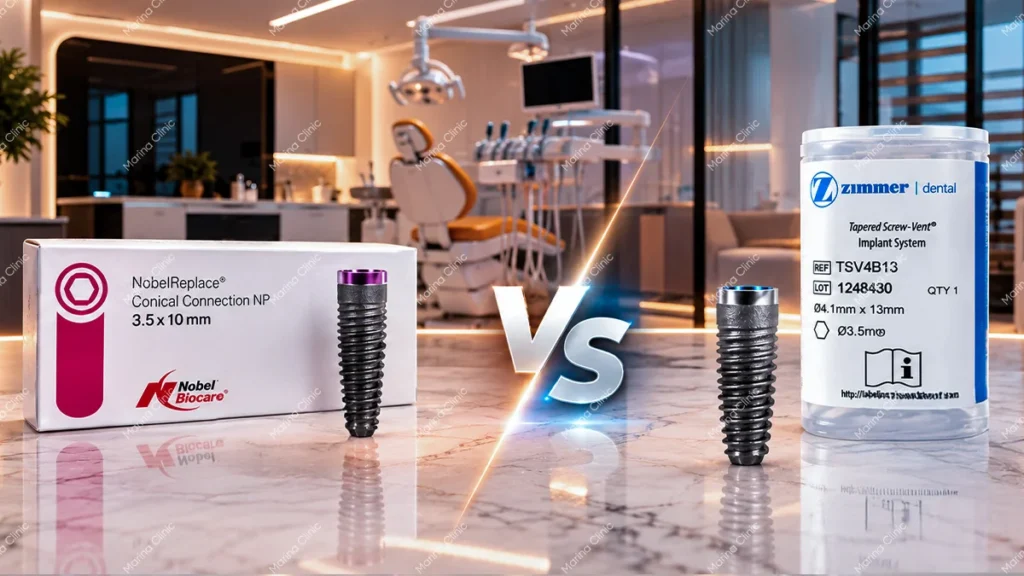
Choosing between Nobel Biocare and Zimmer dental implants can be difficult because both systems have a long history in implant dentistry and offer solutions for single teeth, multiple missing teeth, and full-arch rehabilitation. However, the brand name is only one part of the decision. Bone anatomy, implant position, available restorative components, bite forces, aesthetic expectations, and the final prosthetic plan all influence which implant system may be more appropriate for an individual patient.
Is Nobel Biocare or Zimmer Better for Dental Implants?
Nobel Biocare and Zimmer are both established dental implant systems with extensive clinical use. Neither is automatically better for every patient. Nobel Biocare has a particularly broad ecosystem for immediate treatment and full-arch rehabilitation, while current Zimmer-origin implant systems offer several implant designs, restorative options, and digital workflows through ZimVie. The better choice ultimately depends on the clinical situation and complete treatment plan rather than the logo on the implant.
Nobel Biocare vs Zimmer Dental Implants: What Is the Main Difference?
The main differences between Nobel Biocare and Zimmer dental implants involve implant design, surface technology, prosthetic connections, and available restorative solutions. These differences may make one system more suitable for a specific case.
Manufacturer Overview
Nobel Biocare is a long-established dental implant manufacturer with a broad range of implant and restorative solutions. Zimmer dental implants were historically part of Zimmer Biomet’s dental business, which now operates under ZimVie.
Implant Systems
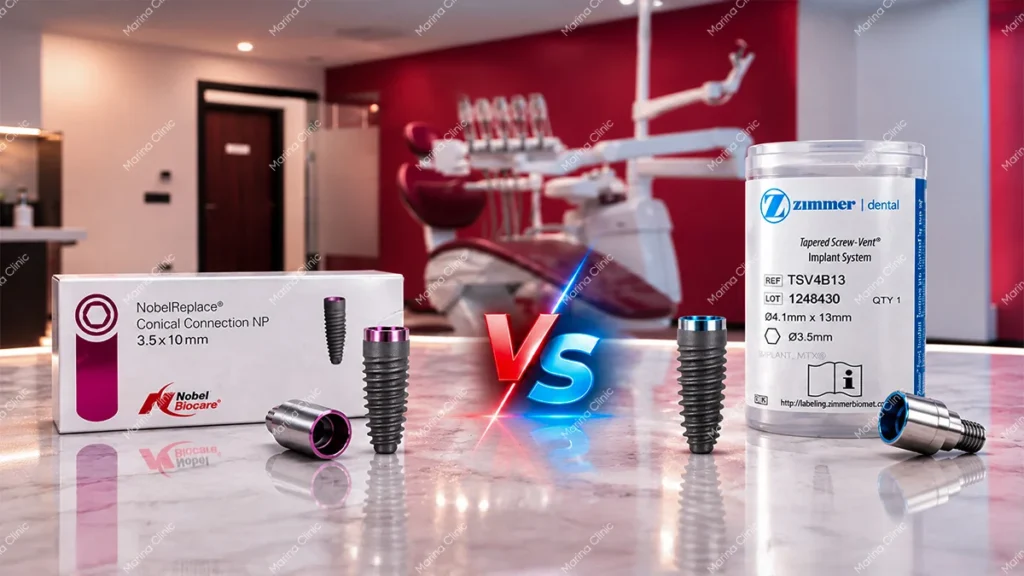
Nobel Biocare offers systems such as NobelActive, NobelParallel, NobelReplace, and N1. Zimmer-origin systems include TSX, TSV, T3, T3 PRO, and other implant designs intended for different bone and restorative situations.
Surface Technologies
Both manufacturers use specially treated implant surfaces designed to support integration with the surrounding bone. However, the exact surface technology varies between individual implant systems.
Restorative Components
Both brands offer abutments and components for single crowns, bridges, temporary restorations, and full-arch treatments. The available components and connection designs differ between systems.
Typical Clinical Applications
Nobel Biocare and Zimmer implants can both be used for single-tooth replacement, multiple missing teeth, implant-supported bridges, and full-arch rehabilitation when clinically appropriate.
Start a Conversation
Contact us through the communication method that suits you





Understanding Zimmer and Nobel Biocare Implant Systems
Comparing the exact implant system is more useful than comparing only the manufacturer. Each brand produces several implant designs with different dimensions, connections, and restorative options.
What Are Zimmer Dental Implants?
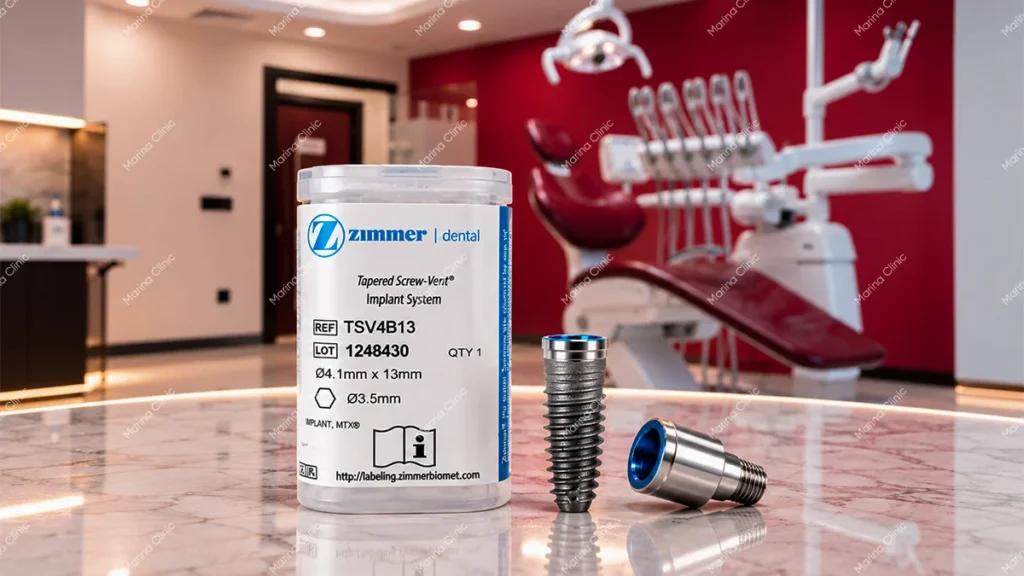
Zimmer dental implants generally refer to systems developed under the former Zimmer Biomet dental portfolio and now offered through ZimVie. They include several implant designs intended for different bone conditions and restorative plans.
What Are Nobel Biocare Dental Implants?
Nobel Biocare offers implant systems for conventional placement, immediate treatment, aesthetic cases, and full-arch rehabilitation. Its implant systems are supported by a broad range of prosthetic and digital solutions.
Similarities and Key Differences
Both brands offer titanium implant systems, digital planning options, restorative components, and solutions for single-tooth and full-arch treatment. The main differences lie in their implant designs, surface technologies, connection systems, prosthetic components, and digital workflows. Nobel Biocare also has a particularly established full-arch ecosystem, while Zimmer-origin systems offer several implant designs through the current ZimVie portfolio.
Which Implant Brand Offers Better Materials and Technology?
Both companies use established implant materials and modern treatment technologies. Instead of asking which brand has better technology overall, it is more useful to determine which implant design supports the planned treatment.
Titanium and Implant Materials
Both Nobel Biocare and Zimmer implant systems primarily use titanium, a material widely used in implant dentistry because of its strength and compatibility with bone.
Surface Treatments
Each manufacturer uses different surface treatments intended to support bone integration. The exact surface depends on the implant system selected.
Implant Connection Design
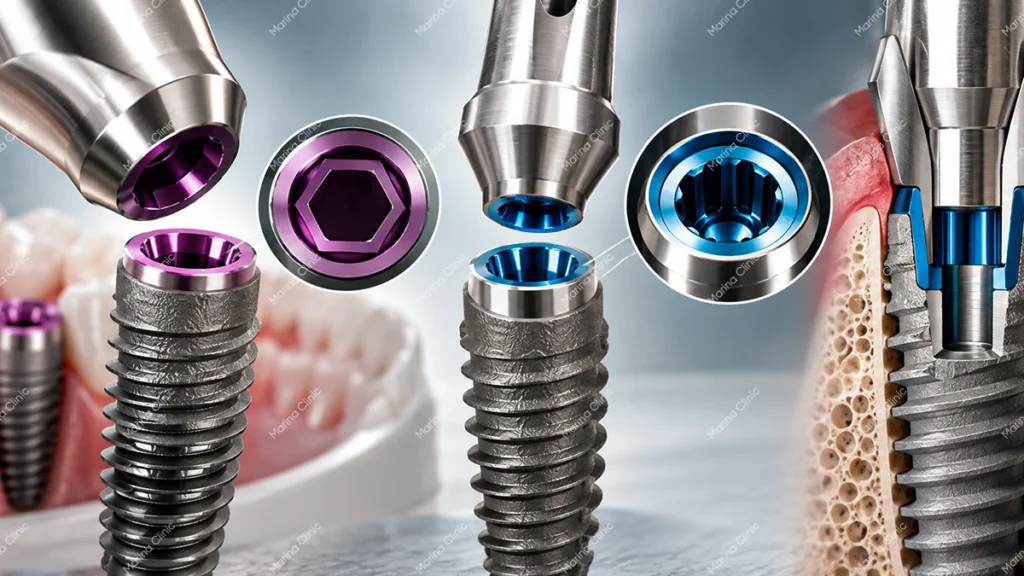
The connection between the implant and abutment affects the restorative workflow and available components. Different Nobel and Zimmer systems use different connection designs.
Digital Treatment Workflows
Both brands support digital planning, guided implant placement, scanning, and restorative workflows that can help improve treatment planning and prosthetic accuracy.
Prosthetic Compatibility
Implant components are generally system-specific. Patients should keep documentation showing the exact implant system used in case future maintenance or replacement components are needed.
Request pricing
By sending, you agree we may contact you on WhatsApp with pricing.
Got it! We’ll WhatsApp you the pricing shortly.
Which Brand Is Better for Different Clinical Cases?
Neither brand is automatically better for a specific treatment category. The dentist should select the implant according to bone conditions, implant position, stability requirements, and restorative design.
Single-Tooth Replacement
Both Nobel Biocare and Zimmer implants can replace a single missing tooth. In visible areas, implant position, gum shape, bone support, and crown design are especially important.
Multiple Missing Teeth
Both systems can support individual crowns or implant-supported bridges. Implant spacing, bone availability, and the planned restoration usually influence the choice.
Full-Arch Rehabilitation
Nobel Biocare and Zimmer-origin systems can both support full-arch restorations. The dentist chooses the implant system based on bone anatomy, prosthetic design, and loading strategy.
All-on-4 and All-on-6 Treatments
The All-on-4 treatment concept is specifically associated with Nobel Biocare. Zimmer-origin implants can also be used in full-arch treatments supported by four or six implants when clinically appropriate.
Immediate Loading Cases
Both brands may be considered for immediate temporary teeth when sufficient implant stability and suitable bone conditions are present. Immediate loading depends on the case, not only on the implant brand.
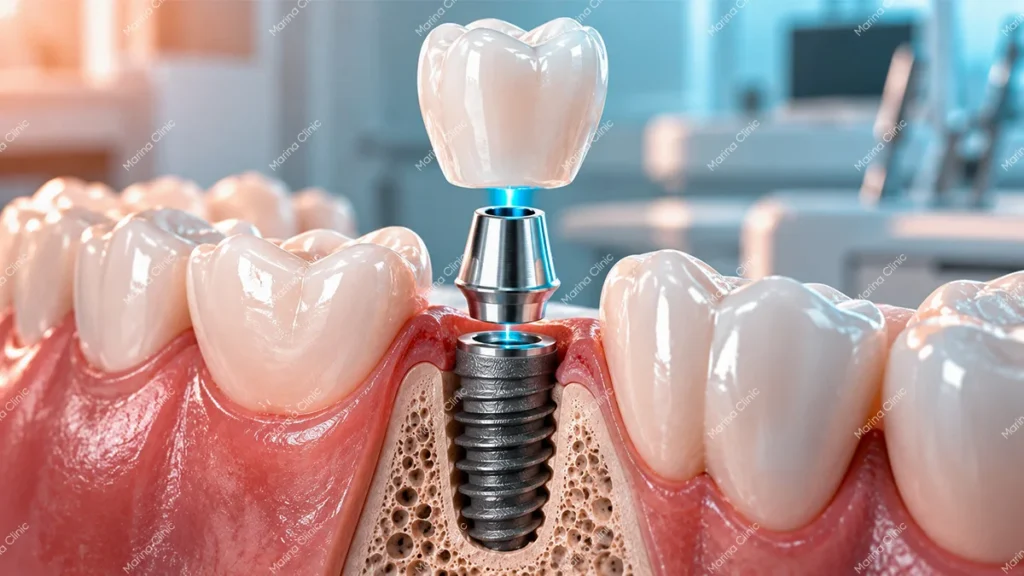
Zimmer vs Nobel Biocare Cost: Why Can Prices Differ?
The total implant price includes much more than the implant fixture. Abutments, crowns, digital planning, grafting, temporary teeth, and laboratory work can all affect the final treatment cost.
Implant System
Different implant systems have different manufacturing and component costs. Premium systems may therefore carry different fixture prices even before the crown or other procedures are added.
Abutment
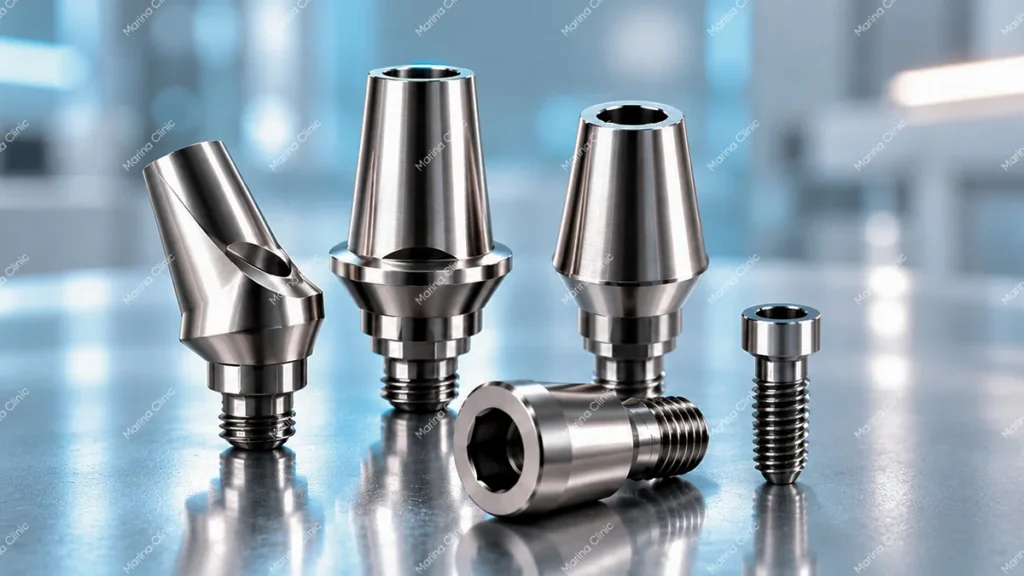
The abutment connects the implant to the crown or bridge. Standard, customized, angled, and multi-unit abutments may have different costs.
Crown or Bridge
The final crown or bridge is priced separately in many treatment plans. Its material and laboratory complexity can significantly affect the total cost.
Digital Planning
CBCT imaging, digital scans, surgical guides, and virtual implant planning may be included in some packages or charged separately.
Bone Grafting
Bone grafting or sinus lifting may be necessary when there is not enough bone for implant placement, increasing both treatment cost and duration.
Temporary Restorations
Temporary teeth may be needed during healing or immediate-loading treatment. Patients should ask whether these are included in the quoted price.
Laboratory Work
Customized crowns, bridges, zirconia frameworks, and complex full-arch restorations require additional laboratory work, which can increase the final cost.
Does Nobel Biocare or Zimmer Last Longer?
There is no clear reason to expect one brand to always last longer than the other. Implant longevity depends mainly on treatment planning, implant placement, oral health, prosthetic design, and long-term maintenance.
Factors That Influence Implant Longevity
Smoking, gum health, oral hygiene, implant position, bite forces, and the design of the final restoration can all influence long-term implant outcomes.
Surgical Planning
Correct implant positioning helps support the surrounding bone, gums, and final restoration. CBCT imaging is often used to evaluate anatomy before placement.
Bone Quality
Bone volume and density can influence implant stability and may affect the implant dimensions, surgical technique, or need for grafting.
Oral Hygiene
Good brushing, interdental cleaning, and professional maintenance help protect the gums and tissues around dental implants.
Bite Forces and Bruxism
Heavy bite forces or teeth grinding can place additional stress on implant-supported restorations. Some patients may benefit from bite adjustment or a protective night guard.
Long-Term Maintenance
Regular dental checkups allow the dentist to monitor the implant, surrounding gums, bone levels, screws, and final restoration.
Read more: How Long Do Dental Implants Last? Brands, Costs, and What Affects Longevity
Upload your photos and receive a free AI-powered preliminary analysis in minutes. No commitment required.
How Should You Compare Nobel and Zimmer Implant Quotes?
Do not compare quotes based only on the final price. Make sure both treatment plans include similar implant systems, components, restorations, and additional procedures.
Exact Implant System
Ask for the exact implant model rather than accepting only “Nobel” or “Zimmer” on the treatment plan. Different systems from the same manufacturer may have different designs and restorative options.
Original Components
Confirm that the clinic uses original manufacturer components for the abutment, screws, and restorative connection. This can also make future maintenance and replacement easier.
Abutment Type
Check which abutment type the treatment plan includes, as standard, customized, angled, and multi-unit options can affect both the cost and the final restoration design.
Crown Material
Check whether the final restoration uses zirconia, ceramic, metal-ceramic, or another material. The selected material can influence aesthetics, durability, and the total treatment price.
Bone Grafting
Ask whether the treatment price covers any required bone grafting, sinus lifting, or other bone procedures. These additional treatments can significantly affect the final cost.
Temporary Teeth
Check whether the clinic includes temporary crowns or bridges during the healing period, especially if you travel abroad for treatment and need a temporary aesthetic solution.
Aftercare and Maintenance
Ask what follow-up appointments, maintenance, and post-treatment support the clinic includes after implant placement and final restoration. Clear aftercare can help identify problems early.
Warranty and Long-Term Support
Review what the warranty covers, including the implant, prosthetic components, crown, and laboratory work. Also check the conditions and duration of the coverage.
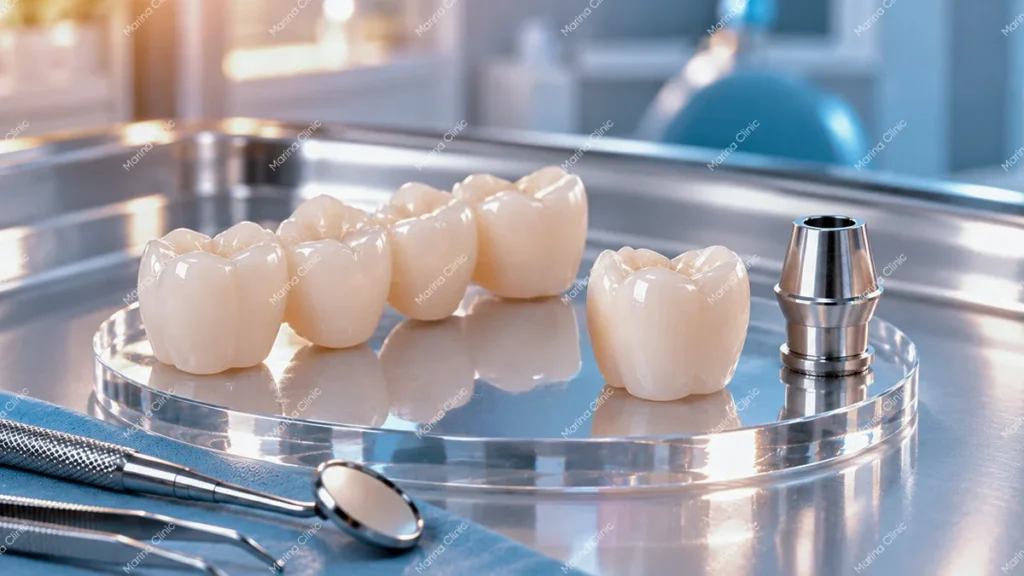
Nobel Biocare or Zimmer: Which Brand Is Right for Your Case?
The final decision should be based on your anatomy and treatment goals rather than brand reputation alone. A well-selected implant system must support both the surgical plan and the final restoration.
Bone Anatomy
Bone height, width, density, and nearby anatomical structures help determine the ideal implant size and position.
Functional Requirements
Implants in front teeth and back teeth face different aesthetic and chewing demands, which can influence implant and restoration selection.
Esthetic Expectations
For visible teeth, implant positioning, gum shape, abutment selection, and crown design are especially important.
Restorative Plan
The final crown or bridge should be considered before implant placement so the implant can be positioned to support the planned restoration.
Budget Considerations
Compare the complete treatment cost rather than only the implant fixture price. Restorations, grafting, laboratory work, and follow-up can significantly affect the final amount.
Personalized Implant Selection
Your dentist should select the implant system according to bone anatomy, implant position, restorative needs, and long-term treatment goals rather than choosing one brand for every patient.
Read more: Dental Implants Before and After: Real Patient Cases and Treatment Plans
Final Verdict
Both Nobel Biocare and Zimmer dental implants are established options for implant treatment. Nobel Biocare has a particularly strong full-arch treatment ecosystem, while Zimmer-origin systems offer a broad range of implant and restorative solutions. Instead of searching for a universally better brand, patients should focus on the system that best matches their bone anatomy, restorative needs, aesthetic goals, and treatment plan.
Which treatment are you interested in?
FAQ
Neither brand is universally better. The best option depends on bone anatomy, implant position, restorative needs, and the complete treatment plan.
Implant longevity depends more on placement, oral hygiene, gum health, bite forces, prosthetic design, and maintenance than on the brand alone.
Yes. Dentists worldwide use Zimmer-origin implant systems for single-tooth replacement, multiple missing teeth, and full-arch restorations.
Nobel Biocare developed the All-on-4 treatment concept. Dentists can also use Zimmer-origin implants for full-arch restorations supported by four implants when the patient’s condition allows it.
The implant system, abutment, restoration, laboratory work, digital planning, bone grafting, temporary teeth, and aftercare can all affect the final price.
Neither brand works better for every patient with bone loss. The dentist first evaluates the available bone volume and quality, then decides whether the patient needs bone grafting and which implant system best suits the case.
Compare the implant system, components, crown material, diagnostics, grafting, temporary teeth, aftercare, and warranty rather than only the final price.
The dentist considers CBCT findings, bone anatomy, implant position, bite forces, aesthetic needs, and the planned final restoration.