

Many heart patients wonder whether cosmetic dental treatments like veneers are safe for them.
In many cases, veneers may still be possible, but dentists usually evaluate heart condition stability, medications, blood pressure, stress levels, and overall oral health before treatment. Safe cosmetic dentistry depends on careful planning and medical awareness — not only aesthetics.
Quick Answer: Can Heart Patients Get Veneers?
Yes, many heart patients can safely get veneers if their condition is stable and properly evaluated. Dentists often review medications, blood pressure, cardiovascular history, and stress tolerance before treatment. In some cases, additional precautions or medical clearance may be recommended before starting cosmetic dental procedures.
Are Veneers Safe for Heart Patients?
Many heart patients may safely receive veneers, but safety depends on the stability of the cardiovascular condition and the invasiveness of the dental plan.
Veneers as an Aesthetic Procedure
Veneers are thin restorations placed on the front surface of teeth to improve color, shape, size, and smile symmetry. Since veneers are elective, dentists can take time to plan treatment safely instead of rushing the procedure.
Why Medical Evaluation Matters Before Cosmetic Dentistry
Heart patients may respond differently to stress, anesthesia, bleeding, or long appointments. A patient with controlled blood pressure may be suitable for treatment, while someone with recent chest pain, unstable symptoms, or recent cardiac surgery may need to delay veneers.
When Veneers May Still Be Safe
Veneers may still be safe when the patient’s cardiovascular condition is stable, blood pressure is controlled, oral health is good, and medications have been reviewed. The dentist may also adjust appointment length and treatment pace to reduce stress.
Why Stability Matters More Than Diagnosis
The name of the heart condition alone does not decide safety. What matters most is whether the condition is controlled, whether symptoms are stable, and whether the patient can tolerate routine dental treatment.

Start a Conversation
Contact us through the communication method that suits you





What Dentists Evaluate Before Veneers for Heart Patients
Before veneers, dentists evaluate both dental suitability and medical safety to reduce avoidable risks.
Cardiovascular Medical History
The dentist should know if the patient has hypertension, coronary artery disease, arrhythmia, valve disease, previous heart attack, stents, bypass surgery, pacemaker history, or previous infective endocarditis.
Blood Pressure Stability
Blood pressure may be checked before treatment because anxiety and dental stress can cause temporary increases. If blood pressure is too high, elective veneer treatment may be delayed.
Current Medications
Heart patients may take blood thinners, antiplatelet drugs, beta-blockers, nitrates, diuretics, or other cardiovascular medications. These can affect bleeding, anesthesia planning, sedation decisions, and drug interactions.
Oral Health and Gum Condition
Healthy gums are important before veneers. Gum inflammation or bleeding can affect bonding, impressions, veneer margins, and long-term cosmetic results.
Why Dentists Sometimes Request Medical Clearance
Medical clearance may be requested when the patient has unstable symptoms, recent cardiac events, complex medication use, high bleeding risk, or a history of serious heart conditions.
Pre-veneer safety checklist for heart patients:
- Recent medical or cardiology report if the heart condition is complex
- Full medication list, including blood thinners and antiplatelet drugs
- Blood pressure control history
- Details of previous stents, valve surgery, bypass surgery, or heart attack
- Allergy history, especially to antibiotics or anesthesia
- Gum health and infection screening before cosmetic treatment

Heart Problems and Cosmetic Dental Treatment
Cosmetic dentistry is not automatically prevented by heart problems, but they change how treatment should be planned.
Controlled Heart Conditions
Patients with controlled hypertension, stable coronary artery disease, managed arrhythmia, or previous cardiac treatment may be able to receive veneers if their overall condition is stable.
Recent Cardiac Procedures or Instability
Elective cosmetic treatment may need to be postponed after recent heart attack, recent stent placement, cardiac surgery, unstable angina, or uncontrolled symptoms. In these cases, cardiology approval is important before traveling for veneers.
Why Stress During Treatment Matters
Dental stress may increase heart rate and blood pressure. Even though veneers are not usually highly invasive, appointments may involve tooth preparation, local anesthesia, temporary veneers, and multiple visits.
How Dentists Reduce Treatment Stress
Dentists may reduce stress by using shorter appointments, effective local anesthesia, calm communication, breaks during treatment, and careful scheduling. For some heart patients, morning appointments may be easier to tolerate.

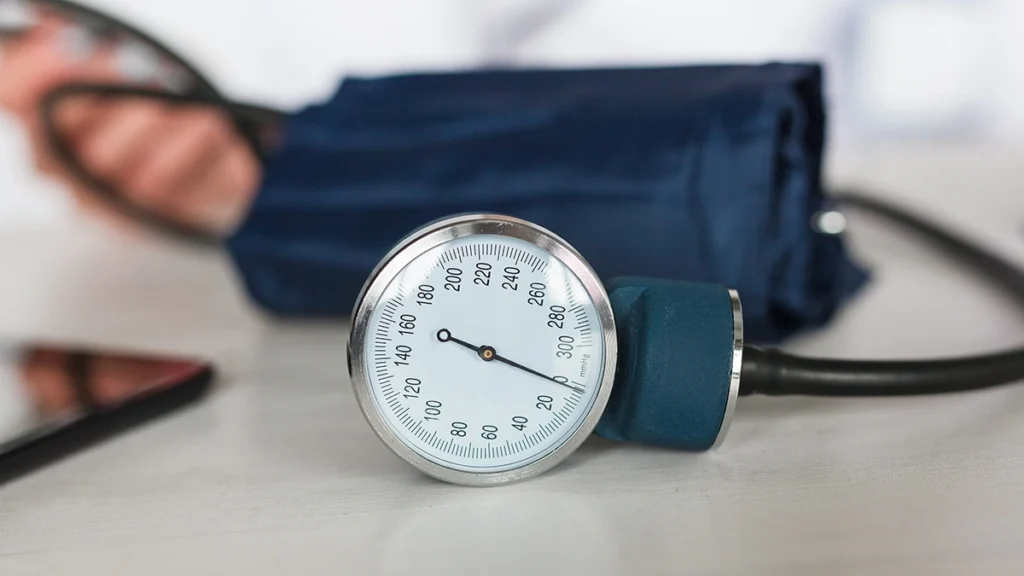
Blood Pressure and Veneers
Blood pressure and veneers are closely connected because elective cosmetic treatment should be performed under stable medical conditions.
Why Blood Pressure Is Checked Before Treatment
Blood pressure is checked because hypertension can be silent. A patient may feel normal but still have elevated readings before dental work.
Anxiety and Blood Pressure Fluctuation
Dental anxiety can temporarily raise blood pressure. This may happen before injections, tooth preparation, or veneer bonding. Calm treatment planning can help reduce this response.
When Treatment May Be Delayed
Treatment may be delayed if blood pressure is significantly elevated or if the patient has symptoms such as chest pain, shortness of breath, dizziness, or irregular heartbeat.
Why Calm and Shorter Sessions May Be Recommended
Shorter sessions reduce physical and emotional stress. Instead of completing many veneers in one long visit, the dentist may divide treatment into safer stages.
Medications That May Affect Veneer Treatment
Heart medications do not usually prevent veneers, but they must be reviewed before treatment begins.
Blood Thinners and Bleeding Risk
Blood thinners and antiplatelet drugs may increase bleeding during gum treatment or procedures involving soft tissue. Veneers alone may not cause major bleeding, but gum inflammation or additional dental work can increase risk.
Heart Medications and Dental Planning
Blood pressure medication, antiarrhythmic drugs, nitrates, and beta-blockers may influence heart rate, blood pressure response, dizziness, dry mouth, or anesthesia planning.
Medication Interactions During Procedures
Dentists should know all medications before prescribing painkillers, antibiotics, sedatives, or local anesthesia. This helps avoid unnecessary interactions.
Why Patients Should Never Stop Medication Without Medical Advice
Heart patients should never stop blood thinners or cardiovascular medication before veneers unless their physician specifically advises it. Stopping medication without supervision may be more dangerous than the dental procedure itself.

Tension, Stress, and Veneers
Tension and veneers should be considered together because emotional stress can affect treatment safety and comfort.
Dental Anxiety in Heart Patients
Heart patients may feel anxious about dental treatment because they worry about blood pressure, anesthesia, pain, or complications. This anxiety should be discussed before treatment begins.
Stress Response During Cosmetic Procedures
Cosmetic dentistry can create emotional pressure because patients focus on appearance, cost, travel time, and final results. International patients in Turkey may also feel rushed to complete treatment quickly.
Why Relaxed Treatment Planning Is Important
A relaxed treatment plan gives the patient time to understand each step and allows the dentist to work more safely. Rushed cosmetic treatment is not ideal for patients with cardiovascular concerns.
Sedation and Comfort Considerations
Sedation may help some anxious patients, but it is not suitable for everyone. Heart patients may need medical clearance before sedation, depending on their condition and medications.
Veneers Candidacy for Heart Patients
A heart patient’s veneer candidacy depends on both dental needs and medical readiness.
When a Heart Patient May Be a Good Candidate
A heart patient may be a good candidate if the condition is stable, blood pressure is controlled, oral health is good, and the patient can tolerate routine dental appointments.
When Veneers May Need to Be Delayed
Veneers should not be rushed if there are signs of medical or dental instability.
Veneers may need to be delayed if the patient has:
- Unstable cardiovascular symptoms
- Uncontrolled blood pressure
- Recent heart attack, stent placement, or cardiac surgery
- Severe dental anxiety that cannot be managed safely
- Active gum disease, dental abscess, or oral infection
- Unclear medication status or high bleeding risk
Why Timing Can Improve Safety
Because veneers are elective, waiting for better medical control is often the safest decision. Proper timing can improve both treatment safety and cosmetic results.
Read more: Can People With High Blood Pressure Get Veneers? Dentist Guidance Before Treatment
Veneers and Oral Health in Heart Patients
Oral health is especially important for heart patients because untreated gum disease and oral infection may increase medical complexity.
Why Gum Health Is Important
Inflamed gums can bleed and interfere with veneer bonding, impressions, and final aesthetics. Gum disease should usually be treated before cosmetic work begins.
Infection Risk and Oral Bacteria
Some heart patients have a higher risk from oral bacteria entering the bloodstream, especially those with certain valve conditions or previous infective endocarditis. These patients may need special precautions before dental procedures involving gum manipulation.
Long-Term Maintenance After Veneers
Veneers require regular cleaning, good home care, and routine dental checkups. Poor hygiene can lead to gum inflammation, decay around veneer margins, and future dental complications.
Why Preventive Dental Care Matters for Heart Patients
Preventive dental care helps reduce plaque, gum inflammation, and infection risk. For heart patients, maintaining oral health is part of overall medical safety.
Read more: Veneers and Medical Conditions in Turkey 2026: Safety, Risks & Dentist Guide
Veneers vs Other Cosmetic Options for Heart Patients
Some heart patients are suitable for veneers, while others may benefit from more conservative cosmetic options.
When Veneers Are Suitable
Veneers may be suitable for discoloration, worn edges, small gaps, minor shape concerns, or smile design cases that cannot be improved with whitening alone.
When Conservative Cosmetic Options May Be Better
Conservative treatments may be better when the patient has mild cosmetic concerns, high anxiety, uncontrolled blood pressure, or a need to avoid longer appointments.
Teeth Whitening
Teeth whitening may help when the main concern is tooth color. It is usually less invasive than veneers but may still cause temporary sensitivity.
Composite Bonding
Composite bonding can repair small chips, gaps, or shape problems with less tooth preparation than porcelain veneers.
Minimal-Preparation Treatments
Minimal-preparation veneers may reduce drilling in selected cases, but they are not suitable for every patient. The dentist must assess tooth position, enamel thickness, bite, and smile goals.
Read more: Veneers vs Whitening: Which Treatment Actually Changes Your Smile?
Hollywood Smile and Heart Patients in Turkey
A Hollywood Smile for heart patients in Turkey should be planned as a medical-dental treatment, not only a cosmetic package.
Why Full Smile Makeovers Require Careful Planning
A Hollywood Smile may involve multiple veneers, crowns, whitening, gum treatment, and several appointments. This may be more demanding than treating one or two teeth.
Balancing Aesthetics and Medical Safety
Aesthetic goals should never override medical safety. Dentists should balance smile design with blood pressure control, stress management, medication review, and oral health.
Why Personalized Treatment Matters
Every heart patient is different. A patient with controlled hypertension may need simple monitoring, while someone with valve disease or recent cardiac treatment may need cardiologist approval.
Cosmetic Dentistry Should Never Ignore Medical History
A clinic should ask about heart disease, medications, blood pressure, and recent procedures before planning veneers. If medical history is ignored, the treatment plan is incomplete.
Read more: Hollywood Smile in Turkey (2026): Common Risks and Misconceptions Explained
Which treatment are you interested in?
People Also Ask About Heart Patients and Veneers
Can heart patients get veneers safely?
Can veneers affect heart health?
Are cosmetic dental procedures safe with heart disease?
Can blood pressure affect veneers treatment?
Should heart patients get medical clearance before veneers?
Final Insight — Safe Veneers Begin With Proper Medical Planning
For heart patients, safe veneers begin with medical evaluation, not only smile design.
Key safety points for heart patients considering veneers:
- Stable heart conditions may allow safe veneer treatment
- Blood pressure should be controlled before cosmetic dentistry
- Dentists should review blood thinners and heart medications
- Stress management can make treatment safer and more comfortable
- Active gum disease or oral infection should be treated first
- Medical clearance may be needed for complex or unstable heart conditions
For patients considering veneers in Turkey in 2026, the safest approach is to share medical history early, avoid rushed treatment, and choose a clinic that takes cardiovascular health seriously.
Read more: What Are Dental Veneers? Types, Uses, and Who They Are For
FAQ
Yes, many heart patients can get veneers if their condition is stable and their dentist confirms they are suitable for treatment.
Veneers do not directly affect heart health, but the treatment process must be planned carefully for patients with cardiovascular disease.
Yes. Patients should tell the dentist about all medications, especially blood thinners, antiplatelet drugs, and blood pressure medication.
Yes. Anxiety can raise blood pressure and heart rate, so calm and well-planned appointments are important.
In many cases, yes. Veneers may be safe with controlled heart disease when treatment is planned carefully.