
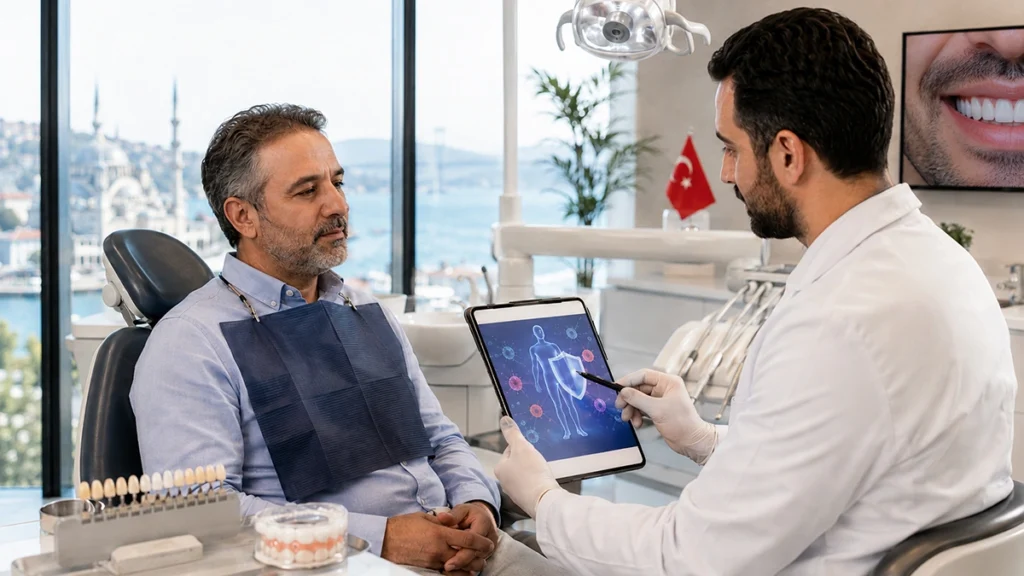
Patients with autoimmune diseases often ask whether cosmetic dental treatments like veneers are safe for them.
In many cases, veneers may still be possible, but dentists usually evaluate immune stability, medications, healing response, gum condition, and infection risk before treatment. Proper planning is important to protect both oral health and overall well-being.
Quick Answer: Can Patients With Autoimmune Disease Get Veneers?
Yes, some patients with autoimmune diseases can safely get veneers if their condition is stable and carefully evaluated. Dentists often review medications, immune response, gum health, and infection risk before treatment. In some cases, extra precautions or treatment delays may be recommended to reduce complications.
What Is an Autoimmune Disease?
An autoimmune disease is a condition in which the immune system mistakenly attacks healthy tissues in the body. Instead of only defending the body against infection, the immune system may trigger chronic inflammation, tissue damage, pain, fatigue, or systemic symptoms.
Autoimmune disorders can affect different organs and tissues, including the joints, skin, glands, blood vessels, digestive system, and oral cavity. This is why patients with autoimmune disease may need a more careful dental evaluation before veneers.
Common Autoimmune Conditions
Many autoimmune diseases can influence oral health, healing, inflammation levels, or the way the body responds to dental treatment. Some of the most common conditions dentists consider before veneers include:
- Lupus (Systemic Lupus Erythematosus)
- Rheumatoid arthritis
- Sjögren’s syndrome
- Psoriasis and psoriatic arthritis
- Scleroderma
- Hashimoto’s thyroiditis
- Crohn’s disease and ulcerative colitis
- Multiple sclerosis
Not every autoimmune condition creates the same dental concerns. Some patients may experience dry mouth, gum inflammation, or increased sensitivity, while others may have little to no oral symptoms. The severity of the disease, current medications, and overall health status are often more important than the diagnosis itself when determining whether veneers are a safe option.
Why Autoimmune Diseases May Affect Oral Health
Autoimmune diseases may influence oral health by increasing inflammation, reducing saliva flow, affecting gum tissues, or changing the body’s response to infection. Some medications used to control autoimmune disease may also affect healing, dry mouth, bleeding response, or immune defense.
For veneer treatment, the key question is not only whether the patient has an autoimmune disease. The dentist must also determine whether the disease is stable, whether the gums are healthy, and whether the mouth is free from active infection.

Start a Conversation
Contact us through the communication method that suits you





Are Veneers Safe for Patients With Autoimmune Disease?
Veneers may be safe for many patients with autoimmune disease when the condition is stable and the mouth is healthy. Cosmetic dentistry should not be automatically avoided, but it should be planned carefully.
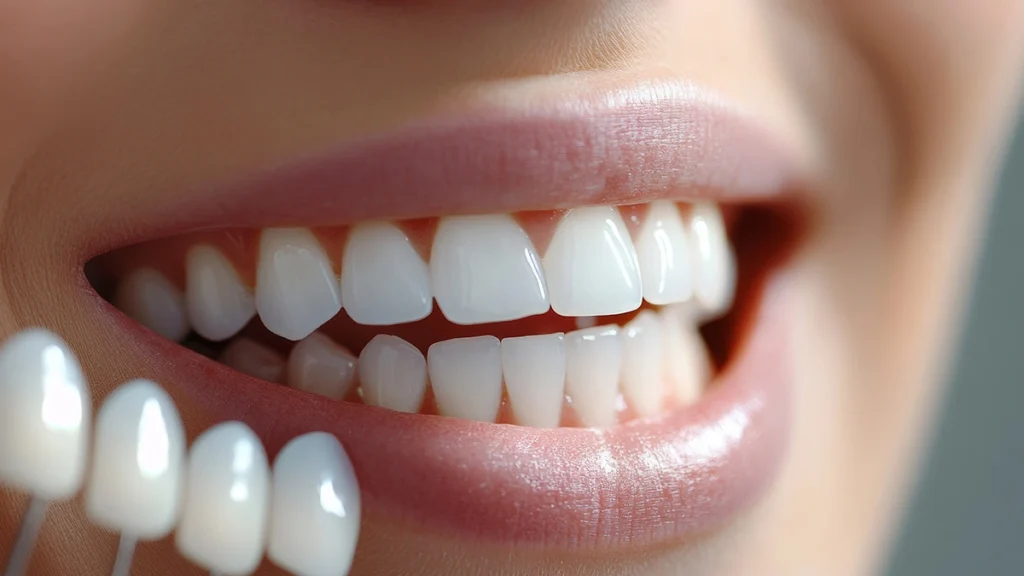
Dental veneers are thin shells placed over the front surface of teeth to improve color, shape, size, alignment, and smile appearance. Although veneers are cosmetic, treatment still involves tooth preparation, bonding materials, gum evaluation, and tissue response.
When Veneers May Still Be Safe
Veneers may be considered if:
- The autoimmune condition is stable
- There is no active flare-up
- Gum tissues are healthy
- There is no untreated infection or decay
- Dry mouth is controlled
- Oral hygiene is good
- The patient’s physician has no objection when consultation is needed
A stable patient with controlled symptoms and healthy gums may often receive veneers successfully with standard or slightly modified precautions.
When Extra Precautions Are Needed
Extra care may be needed if the patient takes immunosuppressive medication, uses long-term steroids, has severe dry mouth, has frequent infections, or has uncontrolled gum inflammation. In these cases, the dentist may recommend periodontal treatment, medical consultation, shorter appointments, or delaying cosmetic treatment until the condition becomes more stable.
How Autoimmune Disease May Affect Veneer Treatment
Autoimmune disease can affect veneer treatment in several ways. The impact depends on the diagnosis, disease activity, medications, oral hygiene, and gum condition.
Healing Response and Inflammation
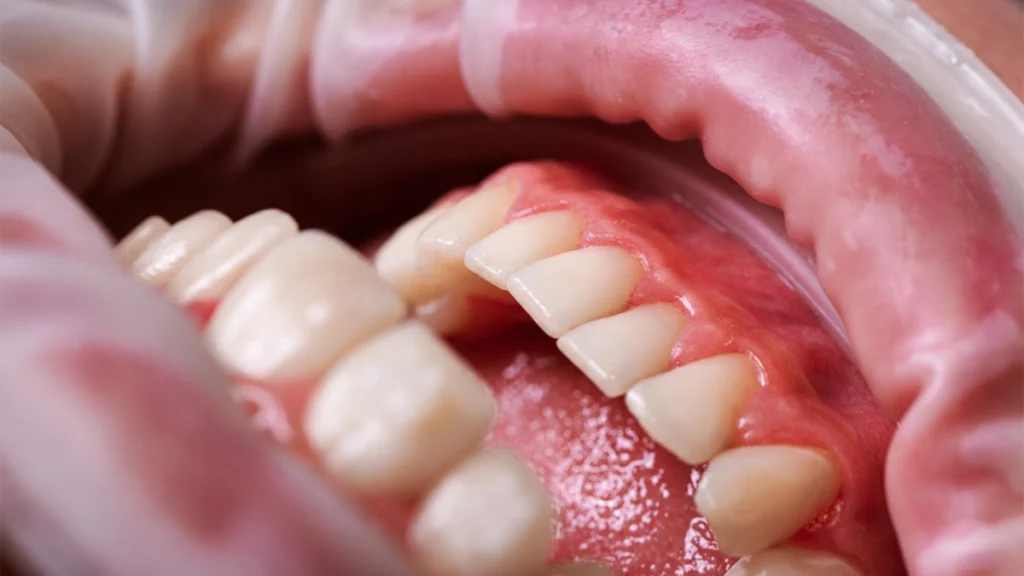
Some autoimmune conditions are associated with chronic inflammation. If the gums are already swollen, bleeding, or sensitive, veneer preparation and bonding may become less predictable. Inflamed gums can also affect digital scans, impressions, temporary veneers, and final veneer margins.
Healthy gum tissue is important because veneers meet the tooth near the gumline. Stable gums help improve both safety and aesthetics.
Dry Mouth and Oral Tissue Sensitivity
Dry mouth is common in some autoimmune conditions, especially Sjögren’s syndrome. Saliva protects the teeth by helping control bacteria, neutralize acids, and support oral comfort.
When saliva flow is reduced, patients may have a higher risk of tooth decay, gum irritation, bad breath, oral burning, fungal infection, and sensitivity. Before veneers, dry mouth should be evaluated because veneers require healthy supporting tooth structure.
Increased Infection Risk
Some autoimmune patients may have a higher infection risk because of the disease itself or the medications used to control it. Veneer treatment is usually not highly invasive, but infection prevention is still important.
Any untreated gum disease, cavities, abscesses, oral fungal infection, or severe plaque buildup should be treated before cosmetic veneers.
Autoimmune Disease and Infection Risk During Veneers Procedure
Patients often ask about autoimmune disease and infection during veneers. This concern is important because immune function plays a role in healing and bacterial control.
Why Infection Prevention Matters
The mouth naturally contains bacteria. In healthy patients, the immune system usually manages this bacterial environment effectively. In patients with immune system disorders, the response may be less predictable.
This does not mean veneers are unsafe. It means the dentist should make sure the mouth is clean, the gums are stable, and there is no active infection before starting treatment.
How Dentists Reduce Infection Risk
Dentists may reduce infection risk by:
- Treating cavities before veneers
- Managing gum disease first
- Improving plaque control
- Using sterile instruments and clean clinical protocols
- Avoiding unnecessary gum trauma
- Using proper isolation during bonding
- Coordinating with the patient’s doctor in higher-risk cases
Antibiotics are not automatically required for every autoimmune patient. The decision depends on the patient’s condition, medications, and professional medical advice.
What Dentists Evaluate Before Veneers
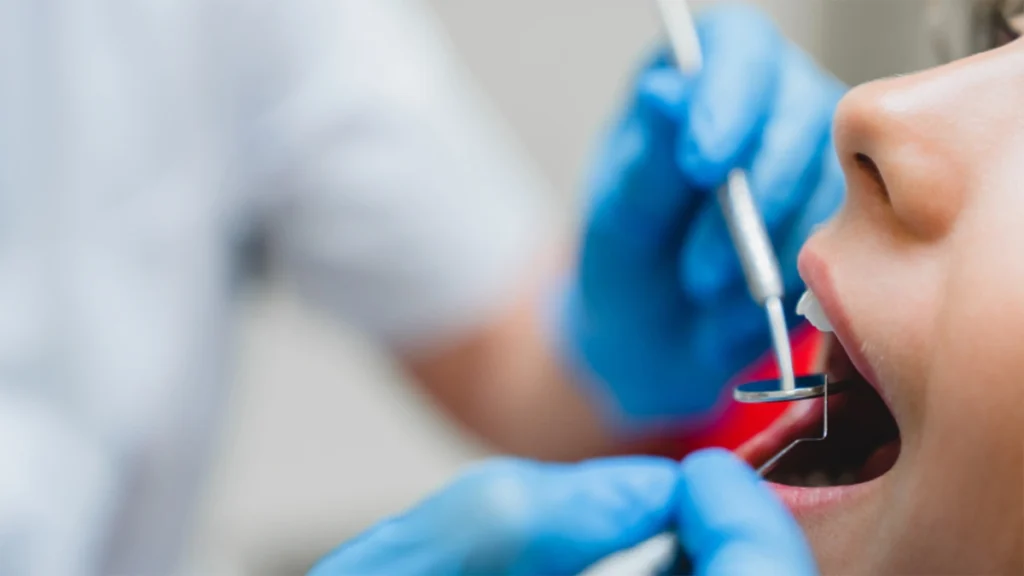
A responsible veneer consultation should include more than smile design. For autoimmune patients, the dentist should evaluate medical, dental, and functional factors before recommending treatment.
Medical History and Disease Stability
The dentist should ask about the autoimmune diagnosis, flare-ups, current symptoms, medical supervision, and whether the condition is stable. Patients should also mention fatigue, oral ulcers, dry mouth, frequent infections, or recent medication changes.
Current Medications
Medication history is essential. Some medications may affect immune response, healing, infection risk, bleeding, or dry mouth. Patients should provide a complete list of prescription medications, biologics, steroids, blood thinners, supplements, and over-the-counter drugs.
Gum Health and Oral Hygiene
Veneers require healthy gums and clean teeth. If there is plaque, tartar, bleeding, gum recession, or periodontal disease, the dentist may recommend cleaning or gum treatment before veneers.
Why Medical Consultation May Be Needed
In some cases, the dentist may contact the patient’s physician, rheumatologist, immunologist, or primary doctor before treatment. This is especially important for patients using immunosuppressive medications, long-term steroids, or those with unstable autoimmune symptoms.
Medical coordination helps decide whether cosmetic treatment can proceed safely or should be delayed.
Read more: What Are Dental Veneers? Types, Uses, and Who They Are For
Medications That May Affect Veneers Procedure
Medication does not automatically prevent veneers, but it may affect the treatment plan.
Immunosuppressive Medications
Some autoimmune patients take medications that reduce immune activity. These medications help control disease but may also influence infection response or healing. Treatment may still be possible, but the dentist must plan carefully and may request medical guidance.
Steroid Therapy
Long-term steroid therapy may affect tissue quality, inflammation, healing, and immune response. Patients should tell their dentist the medication name, dose, and duration of use. In medically complex cases, physician input may be needed.
Never Stop Medication Without Medical Advice
Patients should never stop autoimmune medication before veneers unless their medical doctor specifically advises it. Stopping medication suddenly may trigger flare-ups or worsen systemic inflammation.
Read more: Hollywood Smile in Turkey: Is 4, 6, or 8 Veneers Enough for Your Smile?
Request pricing
By sending, you agree we may contact you on WhatsApp with pricing.
Got it! We’ll WhatsApp you the pricing shortly.
Veneer Materials and Autoimmune Conditions
There is no single best veneer material for all autoimmune patients. The right choice depends on gum health, tooth structure, bite force, enamel condition, and aesthetic goals.
Porcelain Veneers
Porcelain veneers are commonly used for high aesthetic results. They are smooth, stain-resistant, and natural-looking. However, they require healthy gums and good enamel support.
Zirconium Veneers
Zirconium-based restorations may be considered when more strength or masking is needed. They may be useful in selected cases, but they are not automatically better for every autoimmune patient.
Lumineers and Minimal-Preparation Veneers
Lumineers or minimal-preparation veneers may be suitable when the patient has good tooth alignment, healthy enamel, and conservative aesthetic goals. They may reduce tooth preparation, but they are not suitable for every bite or smile design case.
| Veneer Type | Main Advantage | Tissue Consideration |
| Porcelain Veneers | High aesthetics and natural translucency | Requires healthy gums and stable enamel |
| Zirconium Veneers | Strong durability and support | Useful when more strength or masking is needed |
| Lumineers | Minimal preparation in selected cases | Conservative option, but case selection is important |
Who Is a Good Candidate for Veneers With Autoimmune Disease?
A good candidate for veneers with autoimmune disease usually has stable health, healthy gums, controlled inflammation, good oral hygiene, and realistic expectations.
Good Candidate Signs
A patient may be suitable if:
- The autoimmune condition is stable
- There is no active flare-up
- Gum tissues are healthy
- Dry mouth is controlled
- There is no untreated decay or infection
- The patient can maintain good oral hygiene
- Medical clearance is available when needed
When Veneers May Need to Be Delayed
Veneers may need to be delayed if the patient has an active autoimmune flare-up, severe gum inflammation, untreated tooth decay, oral infection, frequent ulcers, uncontrolled dry mouth, recent medication changes, or medical instability.
Delaying treatment does not mean veneers are impossible. It means safety and long-term success should come first.
Read more: Veneers and Medical Conditions in Turkey 2026: Safety, Risks & Dentist Guide
How to Avoid Infection During Veneers Procedure
Avoiding infection during veneers procedure starts before treatment. Patients with autoimmune disease should prepare carefully and follow the dentist’s instructions.
Maintain Good Oral Hygiene
Good brushing, flossing, and professional cleaning help reduce bacteria and gum inflammation. Patients with dry mouth may need additional preventive care to protect the teeth before and after veneers.
Follow Pre-Treatment Instructions
Before veneers, the dentist may recommend dental cleaning, gum therapy, cavity treatment, X-rays, digital scans, dry mouth management, or medical consultation. These steps help create a safer and more predictable treatment environment.
Choose a Clinic With Medical Awareness
Patients with autoimmune disease should choose a clinic that takes medical history seriously. The best clinic for veneers in Istanbul is not simply the fastest or cheapest option. It is the clinic that evaluates gum health, reviews medications, explains risks, and creates a personalized treatment plan.
Read more: How to Avoid the “Piano Key Teeth” Veneer Look and Get Natural-Looking Results
Veneers in Istanbul — What Patients Should Know
Istanbul is a popular destination for veneers, Hollywood Smile treatments, and cosmetic dentistry in Turkey. Many international patients choose veneers in Istanbul because of modern clinics, experienced dental teams, digital smile design, and competitive prices.
However, autoimmune patients should not choose treatment based only on cost or speed. Medical history, gum health, infection prevention, and follow-up planning are especially important.
Why Personalized Planning Matters
Every autoimmune patient is different. One patient may only need routine veneer planning, while another may need medical clearance, gum treatment, dry mouth management, or a more conservative approach.
A personalized plan should consider:
- Autoimmune diagnosis
- Current medications
- Gum health
- Enamel condition
- Bite force
- Dry mouth symptoms
- Infection history
- Travel schedule
- Aftercare needs
Honest communication with the dentist helps reduce risk and improve long-term results.
Read more: Hollywood Smile vs Smile Makeover: What’s the Real Difference?
Hollywood Smile and Autoimmune Conditions
A Hollywood Smile may involve veneers, crowns, whitening, gum contouring, or full smile makeover planning. For autoimmune patients, this type of treatment may require extra caution because it can involve longer appointments and more extensive dental work.
Not every patient needs a full Hollywood Smile. Some may achieve excellent results with conservative veneers on selected teeth. Others may need a broader plan because of worn teeth, discoloration, old crowns, missing teeth, or bite problems.
For autoimmune patients, the safest cosmetic plan is usually the one that improves the smile while preserving natural tooth structure, gum stability, and oral health.
Read more: Can Patients With TMJ or Bruxism Have Veneers? Treatment Guide in Turkey 2026
People Also Ask About Veneers and Autoimmune Disease
Can autoimmune patients get veneers?
Are veneers safe with immune disorders?
Can autoimmune disease increase infection risk during veneers?
Do immunosuppressive medications affect veneers?
Should autoimmune patients delay cosmetic dentistry?
Final Insight — Safe Veneers Depend on Stability and Planning
Patients with autoimmune disease may still be candidates for veneers, but safety depends on proper evaluation. Stable immune condition, healthy gums, controlled inflammation, good oral hygiene, and infection prevention are essential.
For patients considering veneers in Turkey or Istanbul, the most important step is choosing a clinic that prioritizes medical history, oral health, and long-term stability. A beautiful smile should be planned around the patient’s health, not only around cosmetic goals.
When the autoimmune condition is stable and the dental foundation is healthy, veneers may be a safe and effective option for improving smile appearance.
Which treatment are you interested in?
FAQ
Yes. Some patients with autoimmune disease can get veneers if their condition is stable, their gums are healthy, and the dentist confirms that treatment is suitable.
Yes. Some autoimmune diseases may affect inflammation, tissue sensitivity, dry mouth, infection response, or healing.
They may be safe with proper precautions. The dentist should review medical history, medications, gum health, and infection risk before treatment.
Some autoimmune patients may have a higher infection risk, especially if they use immunosuppressive medications or have active oral disease.
Lumineers may be useful in selected cases because they require minimal preparation, but they are not suitable for everyone. The best option depends on tooth position, enamel, bite, and gum health.