
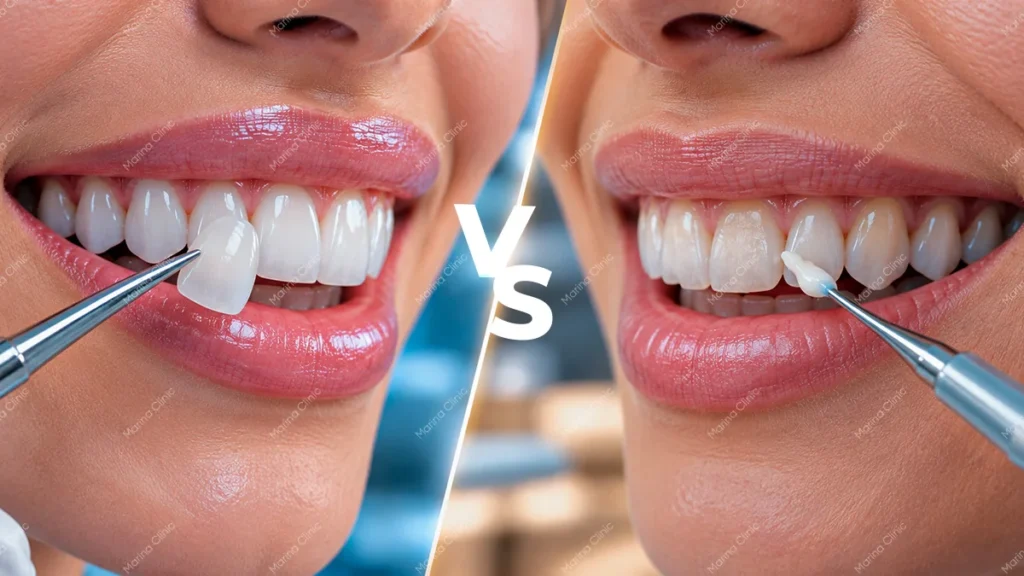
Dental bonding and veneers are popular cosmetic treatments for chipped, discolored, or uneven teeth. However, they differ in cost, durability, tooth preparation, and appearance. Understanding these differences can help you choose the right treatment for your smile.
Is Dental Bonding Better Than Veneers?
Dental bonding is often better for minor chips, small gaps, and subtle cosmetic improvements because it usually preserves more natural tooth structure and costs less initially. Porcelain veneers may be more suitable for broader changes in tooth color, shape, and smile symmetry. Veneers generally offer greater stain resistance, while bonding is often easier to repair. The best choice depends on enamel condition, bite alignment, cosmetic expectations, budget, and long-term maintenance needs.
Dental Bonding vs Veneers: What Is the Main Difference?
The main difference between dental bonding vs veneers is the material and application. Bonding uses composite resin applied directly to the teeth, while porcelain veneers are custom-made ceramic shells attached to the front surfaces. Composite veneers also exist, so not every veneer is made from porcelain.
| Feature | Dental Bonding | Porcelain Veneers |
| Material | Composite resin | Dental ceramic |
| Tooth preparation | Usually minimal | Often requires enamel reduction |
| Treatment time | Often one appointment | Usually multiple appointments |
| Stain resistance | More prone to staining | More stain-resistant |
| Repairs | Usually easier to repair | May require replacement |
| Initial cost | Generally lower | Generally higher |
| Best suited for | Minor cosmetic corrections | Broader smile improvements |
Start a Conversation
Contact us through the communication method that suits you





Which Is Better: Veneers or Dental Bonding?
Choosing between veneers and bonding depends on your teeth’s condition and desired results. Bonding suits minor corrections, while veneers may provide more comprehensive aesthetic improvements.
How Much Cosmetic Change Do You Want?
Dental bonding works well for subtle changes to individual teeth. Porcelain veneers may be more suitable for transforming several teeth or improving overall smile symmetry, color, and proportions.
How Healthy Is Your Natural Enamel?
Bonding usually preserves more natural enamel, making it a conservative option. Veneers often require some enamel removal, so sufficient healthy tooth structure is important for successful treatment.
Does Your Bite Affect Treatment Selection?
An uneven bite or teeth grinding can increase the risk of damage to both treatments. A dentist should evaluate your bite before recommending bonding or veneers.
Which Option Fits Your Budget and Long-Term Goals?
Bonding costs less initially but may require more frequent repairs. Porcelain veneers involve a higher initial investment but generally provide better stain resistance and longer-lasting results.
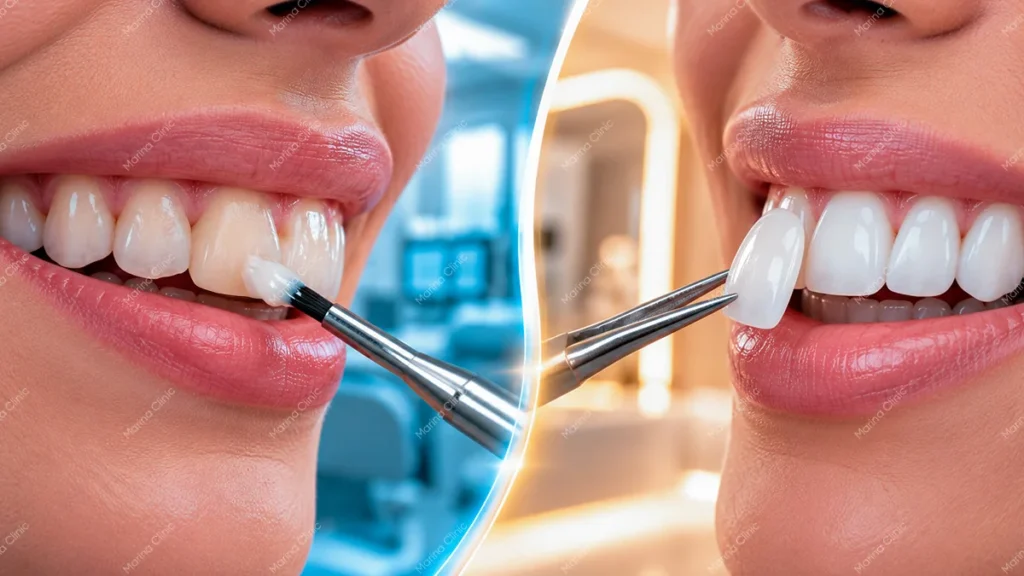
Dental Bonding Cost vs Veneers Cost in Turkey
The cost of dental bonding and veneers in Turkey depends on the material, number of teeth, treatment complexity, and clinic. Bonding is usually more affordable, while porcelain veneers cost more because of their customized fabrication.
How Much Does Dental Bonding Cost Per Tooth?
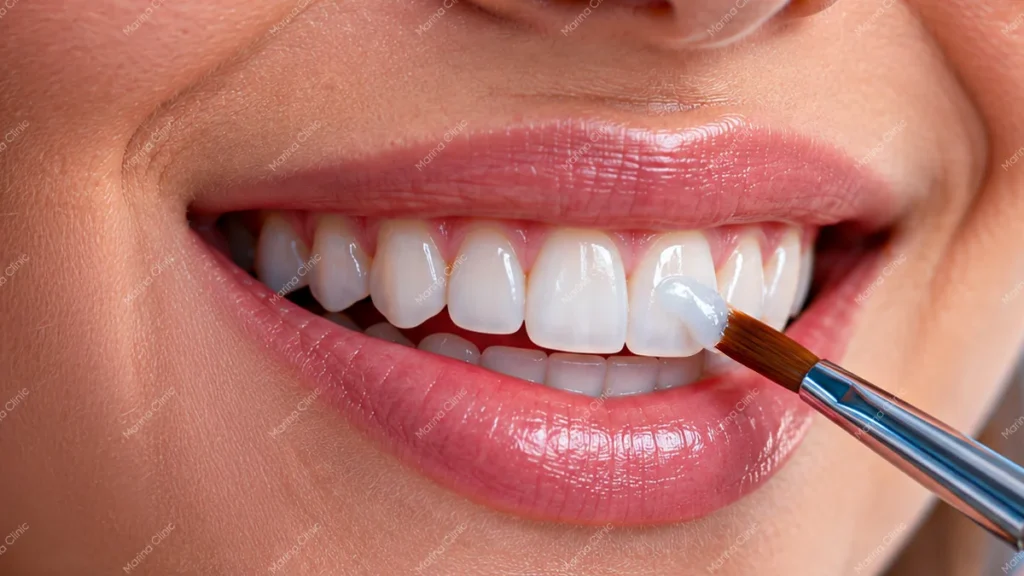
The cost of composite bonding in Turkey varies depending on the extent of the correction, the number of teeth treated, and the amount of composite resin used. It is generally more affordable than porcelain veneers, especially for repairing small chips or closing minor gaps. The exact price is determined after a dental examination and assessment of the patient’s condition.
How Much Do Porcelain Veneers Cost Per Tooth?
Porcelain veneers in Turkey are commonly advertised at approximately €175–€190 per tooth. Prices depend on the ceramic type, laboratory work, and treatment requirements.
How Does the Number of Teeth Affect the Total Cost?
Treating more teeth increases the overall expense. A single chipped tooth may need only bonding, while a complete smile transformation can involve several veneers or composite restorations.
Are Repairs and Replacement Costs Different?
Bonding is generally easier and less expensive to repair because resin can often be added directly. Damaged porcelain veneers may require more extensive repairs or replacement.
What Should International Patients Check in a Treatment Quote?
International patients should request a detailed quote explaining what is included before arranging dental treatment in Turkey.
Key details to check include:
- Consultation, examination, and imaging fees.
- Number of teeth and restoration materials.
- Temporary restorations and laboratory costs.
- Additional dental treatments.
- Aftercare, repairs, and replacement policies.
- Travel or accommodation arrangements, if offered.
Request pricing
By sending, you agree we may contact you on WhatsApp with pricing.
Got it! We’ll WhatsApp you the pricing shortly.
Front Teeth Bonding vs Veneers: Which Looks More Natural?
Both front teeth bonding and porcelain veneers can look natural when properly designed. Bonding provides subtle improvements, while porcelain veneers offer excellent translucency and consistency across multiple teeth.
Color Matching and Translucency
Composite resin can closely match natural tooth color, especially for small repairs. Porcelain veneers offer greater control over translucency and shade, helping reproduce the appearance of natural enamel.
Correcting Uneven Tooth Shapes and Small Gaps
Bonding can reshape slightly uneven teeth and close small gaps without extensive preparation. Veneers may be preferable when several teeth need changes in shape, size, or proportions.
Staining and Color Stability
Composite bonding is more likely to stain from coffee, tea, and tobacco. Porcelain veneers generally resist discoloration better and maintain their original shade for longer.
Matching Restorations With Neighboring Teeth
Both materials can match surrounding teeth, but the result depends on careful shade selection and technique. Whitening may be recommended beforehand because bonding and veneers do not respond to whitening treatments.
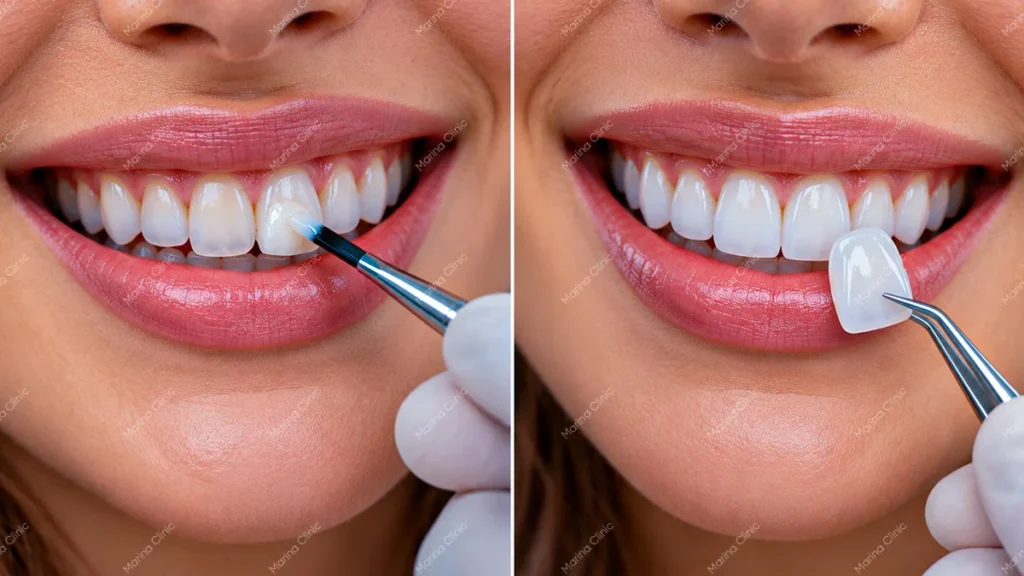
Composite Bonding vs Veneers: Which Preserves More Natural Tooth Structure?
Composite bonding generally preserves more natural tooth structure than traditional porcelain veneers. Because veneers often require enamel preparation, the dentist should consider the most conservative option that can achieve the desired result.
Does Dental Bonding Require Enamel Removal?
Dental bonding usually requires little or no enamel removal. However, minor surface preparation or reshaping may be necessary depending on the tooth’s condition.
How Much Tooth Preparation Do Veneers Require?
Porcelain veneers often require a thin layer of enamel to be removed. The amount depends on tooth shape, position, and veneer thickness. Minimal-preparation veneers are possible in selected cases.
Are Bonding and Veneers Reversible?
Bonding may be removable or replaceable with limited tooth alteration, although reversibility is not guaranteed. Traditional veneers are generally irreversible because enamel is permanently removed.
When Is a Conservative Treatment More Appropriate?
Conservative treatments are usually preferable when teeth are healthy and cosmetic concerns are minor. Bonding may achieve the desired improvement while preserving more natural enamel.
Read more: Lumineers vs Laminate Veneers: What’s the Difference and Which Is Better?
Upload your photos and receive a free AI-powered preliminary analysis in minutes. No commitment required.
Which Lasts Longer: Veneers or Composite Bonding?
Porcelain veneers generally last longer than composite bonding. Bonding may last approximately 3–10 years, while porcelain veneers can last 10–20 years under suitable conditions. Longevity varies with oral hygiene, bite forces, and maintenance.
Which Material Is More Resistant to Staining and Wear?
Porcelain is generally more resistant to staining and surface wear. Composite bonding may gradually discolor, lose its polish, or wear down, requiring occasional maintenance.
How Do Bruxism and Bite Forces Affect Durability?
Teeth grinding and excessive bite pressure can damage both bonding and veneers. Patients with bruxism may need a protective night guard or bite treatment to reduce the risk.
Can Bonding Be Repaired More Easily Than Veneers?
Bonding can often be repaired by adding new composite resin. Porcelain veneer damage may require specialized repair or complete replacement, depending on its severity.
What Maintenance Helps Both Treatments Last?
Regular brushing, flossing, dental checkups, and avoiding hard objects help protect both restorations. Patients who grind their teeth should follow their dentist’s recommendations for bite protection.
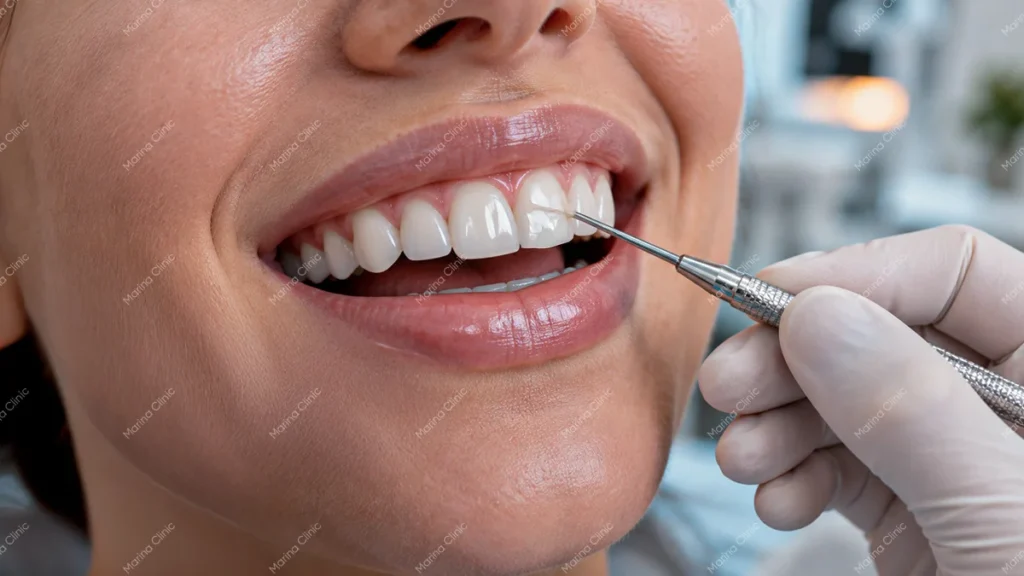
When Is Bonding Better, and When Are Veneers Better?
The best treatment depends on the specific cosmetic concern. Bonding often suits localized imperfections, while veneers may be better for more extensive changes. Some dental conditions require alternative treatment.
Small Chip or Minor Gap Between Front Teeth
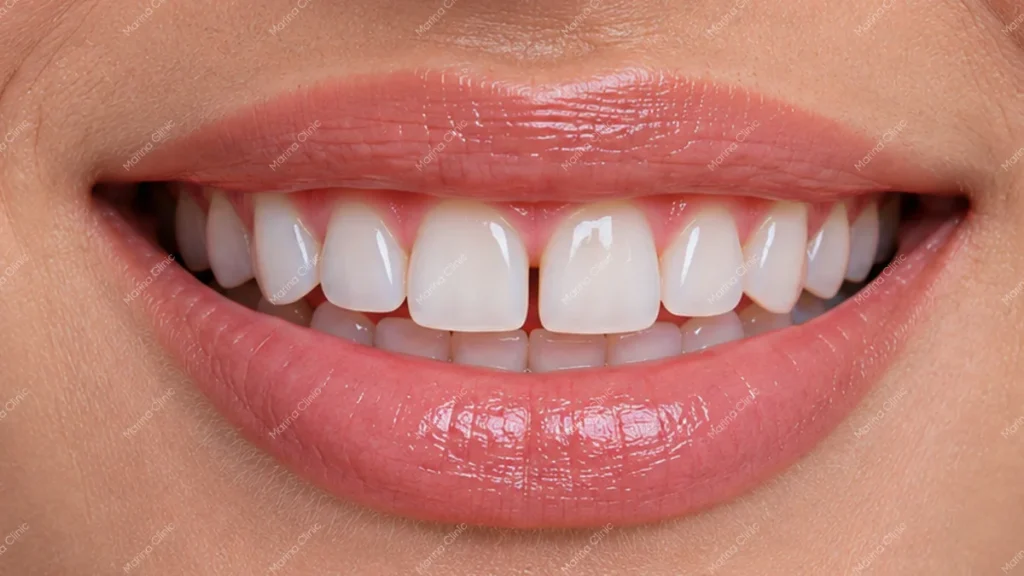
Bonding is often ideal for repairing small chips or closing narrow gaps because it requires minimal preparation. Larger gaps may need orthodontic treatment to maintain natural tooth proportions.
Stubborn Discoloration That Whitening Cannot Correct
Porcelain veneers may help conceal deep discoloration that does not respond to whitening. Composite bonding can cover smaller stained areas but may offer less long-term color stability.
Multiple Uneven Teeth or Smile Asymmetry
Porcelain veneers can improve the appearance of several uneven teeth by creating more consistent shapes and proportions. Bonding may still be suitable when only modest corrections are needed.
Worn Teeth, Bruxism, or Existing Large Fillings
Significantly worn teeth, heavy grinding, or large fillings require careful assessment. Bonding or veneers may not provide sufficient protection, and alternatives such as crowns or bite treatment may be recommended.
Request pricing
By sending, you agree we may contact you on WhatsApp with pricing.
Got it! We’ll WhatsApp you the pricing shortly.
Bonding or Veneers in Turkey: How Does a Dentist Choose the Right Treatment?
Choosing between dental bonding and veneers in Turkey begins with a dental examination. A cosmetic dentist in Istanbul evaluates oral health, enamel, bite alignment, and aesthetic expectations before recommending treatment.
Smile Assessment and Dental Examination
The dentist examines tooth shape, color, gum health, and smile symmetry. Photographs or digital scans may help identify the most appropriate cosmetic improvements.
Enamel Health, Existing Fillings, and Bite Analysis
Healthy enamel supports reliable bonding, while large fillings, enamel damage, or bite problems may affect treatment suitability. Existing dental problems should be addressed before cosmetic procedures.
Selecting the Number of Teeth to Treat
The number of teeth depends on smile visibility and cosmetic goals. Some patients need one or two corrections, while others require several restorations for balanced results.
Comparing Treatment Plans and Long-Term Costs
A treatment plan should explain the materials, preparation, total price, expected lifespan, and maintenance requirements. Comparing these factors helps patients make an informed decision.
Read more: How a Hollywood Smile Is Planned Safely in Turkey in 2026: What Dentists Check Before Treatment
Final Verdict
Dental bonding and porcelain veneers can both improve the appearance of teeth, but they are designed for different cosmetic needs. Bonding is often a conservative, cost-effective option for small imperfections, while veneers may offer greater color stability and broader aesthetic changes. Neither treatment is automatically the best choice for every patient.
At Marina Clinic in Istanbul, Turkey, patients considering dental bonding or veneers can receive an individualized smile assessment to determine which treatment aligns with their tooth condition, aesthetic goals, and long-term oral health. A personalized treatment plan helps patients understand the benefits, limitations, and total costs before making a decision.
Which treatment are you interested in?
FAQs
Bonding is often preferable for small chips because it preserves more natural enamel. Veneers may suit larger cosmetic changes.
Yes. Bonding generally costs less initially, although future repairs and maintenance should also be considered.
Both can look natural. Porcelain offers excellent translucency, while composite bonding can closely match neighboring teeth.
Yes, small gaps can often be closed with bonding. Larger gaps or bite problems may require orthodontic assessment.
Bonding usually requires minimal tooth preparation, making it a conservative treatment. Some cases may involve slight enamel modification.
Porcelain veneers generally last longer and resist staining better, although durability depends on oral habits and maintenance.
Often yes, provided the teeth have sufficient healthy enamel and are suitable for veneers after examination.
Veneers may suit extensive smile transformations, while bonding is often better for smaller improvements. The choice depends on your oral health, goals, and budget.


